High Fashion Met the Track—And Women Own the Lane
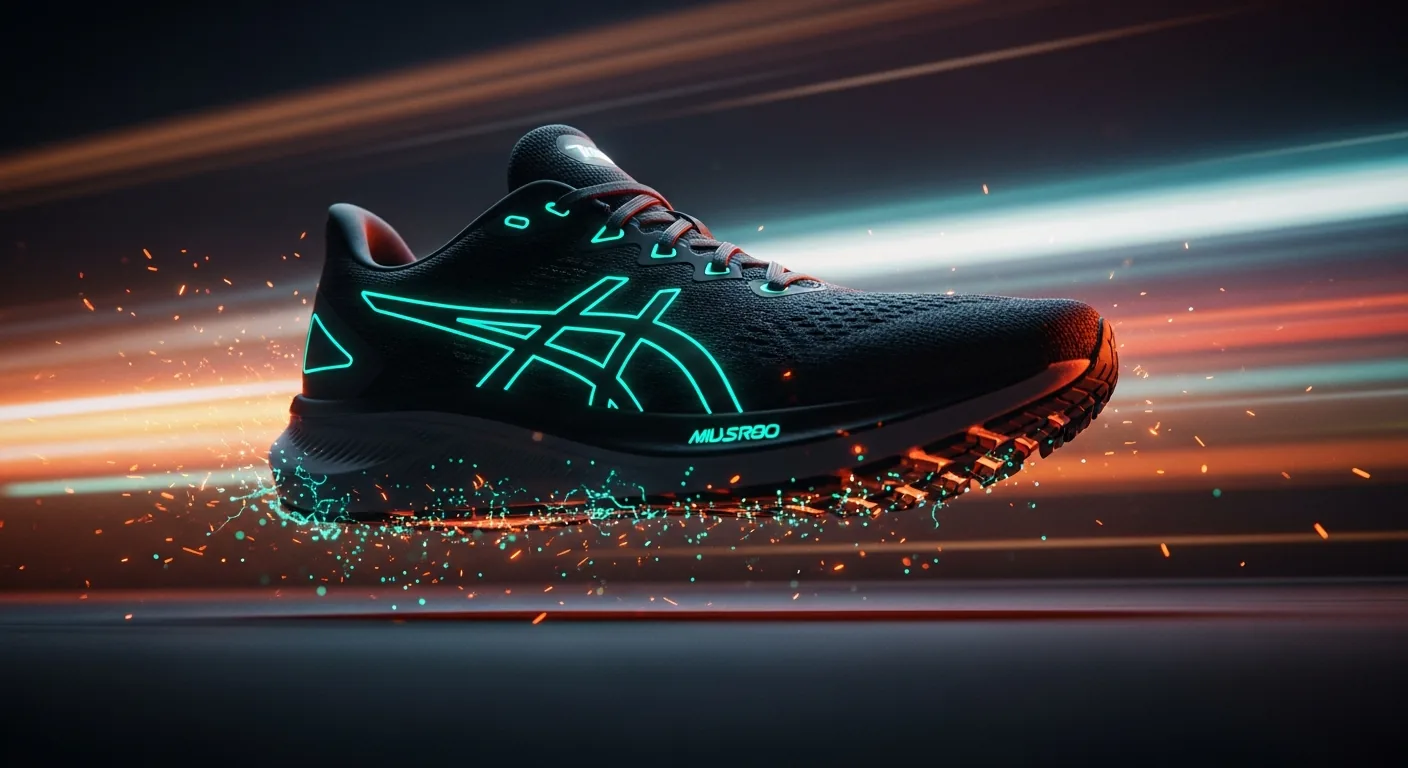
The most interesting sneakers in the room right now didn’t come from a single house or a single lab—they came from the volatile, thrilling space where a fashion atelier and a performance brand dared to share a last.
That sentence alone would’ve been absurd a decade ago. Luxury and athletics occupied different aisles, different runways, different customer profiles. But the women’s sneaker market in 2025 has turned that binary into a relic. We’re living through a moment where Puma and Coperni engineer a satin-wrapped driver’s shoe, where Alaïa reimagines the Salomon XT-6 in tonal leather, and where Miu Miu and New Balance keep pushing the 530 into territory that makes you reconsider what “performance” even means when a shoe can move from a morning meeting to a midnight dance floor without a costume change. These aren’t novelty capsules. They’re the center of gravity for women’s sneaker demand, and they’re being built—finally, unmistakably—with women at the design table rather than on the margins.
Luxury Athletic Collabs Have Deeper Roots Than You Think
Before we talk about what’s happening now, it’s worth remembering the ground that was laid. The intersection of fashion and sport in footwear isn’t a TikTok invention. Jil Sander collaborated with Puma on the King Football boot back in 1998, producing a sneaker that barely registered in women’s sizing at the time but proved the concept that a minimalist fashion eye could reshape a performance silhouette. Yohji Yamamoto’s Y-3 line with adidas launched in 2002 and spent years being celebrated as menswear-forward before women claimed the Qasa High and made it their own. And let’s not skip Stella McCartney, who partnered with adidas in 2004 to create an entire women’s performance line that insisted athletic shoes could be beautiful without sacrificing function—a stance that was treated as radical instead of obvious.
The problem was never imagination. It was access. For decades, cross-pollination between luxury and athletics happened primarily through men’s sizing, men’s marketing budgets, and men’s cultural narratives. Women who wanted to participate had to size down, hunt harder, and style around shoes that weren’t made with their proportions in mind. That gap—between the desire women openly expressed and the product the industry bothered to make—is the backdrop against which every 2025 collaboration should be read.
Satin, Metallic, and Ballet Lines Redefine the Silhouette
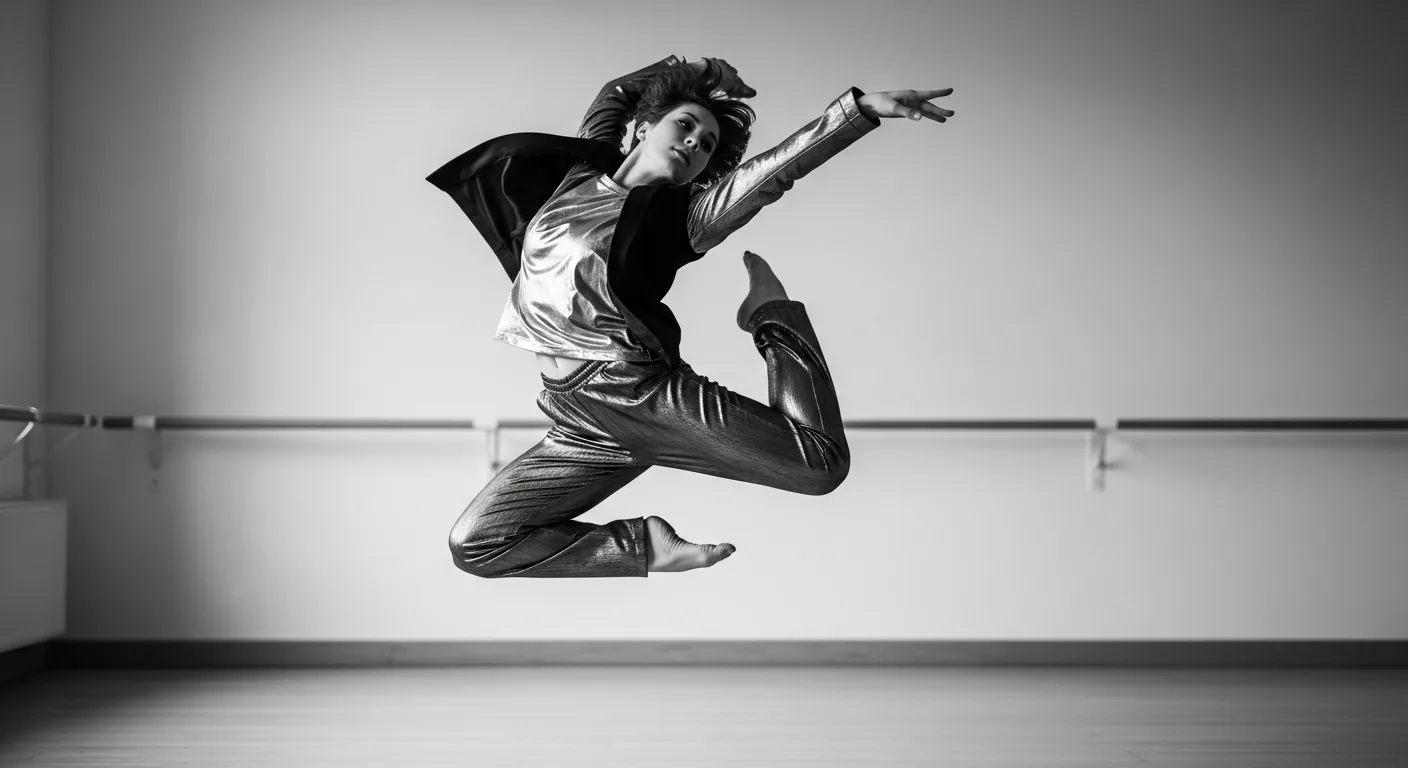
So what, exactly, is happening on shelves and wishlists right now? The current collision between fashion houses and performance brands is producing a specific aesthetic vocabulary: slim, elongated, often lower-profile silhouettes that trade chunky midsoles for tapered shapes. Materials are the story. Satin uppers in jewel tones—think the Puma x Coperni 90SL in midnight plum, or the metallic silver edition of the Alaïa x Salomon Toe Moc that dropped in February. Ballet-adjacent straps and Mary Jane closures are migrating from trend-piece curiosity to full commercial play, as with Miu Miu’s continued reworking of the New Balance 530, which wraps the running shoe’s bones in pastel suede with an exaggerated strap detail that references pointe shoes without pretending to be one.
These aren’t incidental design choices. They’re a direct response to what women have been signaling through resale data, social media engagement, and purchase behavior for years: we want sneakers that feel like ours, that can transit between contexts without losing their identity or our comfort. The satin Puma x Coperni, for instance, sold through its initial women’s-exclusive run in under four hours on SSENSE and the Coperni webstore in January 2025. The Alaïa Salomon collab, which debuted at the brand’s Spring 2025 runway and trickled into retail in late February, hit resale averages of 2.3 times retail on StockX within weeks—driven predominantly by women buyers, according to the platform’s own demographic data shared at a panel during Paris Fashion Week.
Who’s Actually at the Design Table Now

Numbers are useful. Names are better. The collabs generating real heat aren’t emerging from vague “creative direction” credits—they’re being led, shaped, and fought for by specific women whose fingerprints are all over the product.
Charlotte Knowles, the London-based designer whose label KNWLS has become synonymous with a sliced, body-conscious femininity, co-designed the ASICS GEL-Kayano 14 “Venom” that released in March 2025. Knowles didn’t just pick colors. She restructured the upper paneling to create an asymmetric visual flow and insisted on a women’s-first size run from 35.5 to 44 EU—a range that covers foot sizes the industry routinely ignores on both ends. In an interview with Highsnobiety, Knowles said she refused to approve the shoe until the extended sizing was confirmed in writing. That’s not a marketing line. That’s a designer using her leverage to solve a structural problem.
Then there’s Salehe Bembury, whose gender-fluid approach to design has consistently resonated with women collectors, and who’s been vocal about rejecting the assumption that his New Balance and Crocs collabs are “men’s shoes women also wear.” His Spring 2025 Moncler x New Balance 1906R shipped in a full unisex run but was marketed with campaigns shot and styled by women creatives, including photographer Renell Medrano and stylist Gabriella Karefa-Johnson. The satin-finish “Glaze” colorway, with its caramel and pearl tones, became one of the most reposted sneakers on women’s sneaker accounts in March.
And we can’t discuss this space without Chitose Abe of Sacai. Her ongoing Nike collaborations—particularly the Sacai x Nike Cortez 4.0, which released in a metallic bronze women’s exclusive in April 2025—have become a case study in what happens when a woman designer with uncompromising taste gets genuine creative authority within a massive performance brand’s pipeline. The Cortez 4.0 stacks two outsoles, distorts the classic’s slim profile just enough to create visual tension, and deploys a brushed metallic upper that catches light differently depending on your angle. It’s the kind of detail-obsessed work that rewards looking closely, and it’s designed from the ground up for women’s feet.
Why These Collabs Blur the Wear-Occasion Boundary
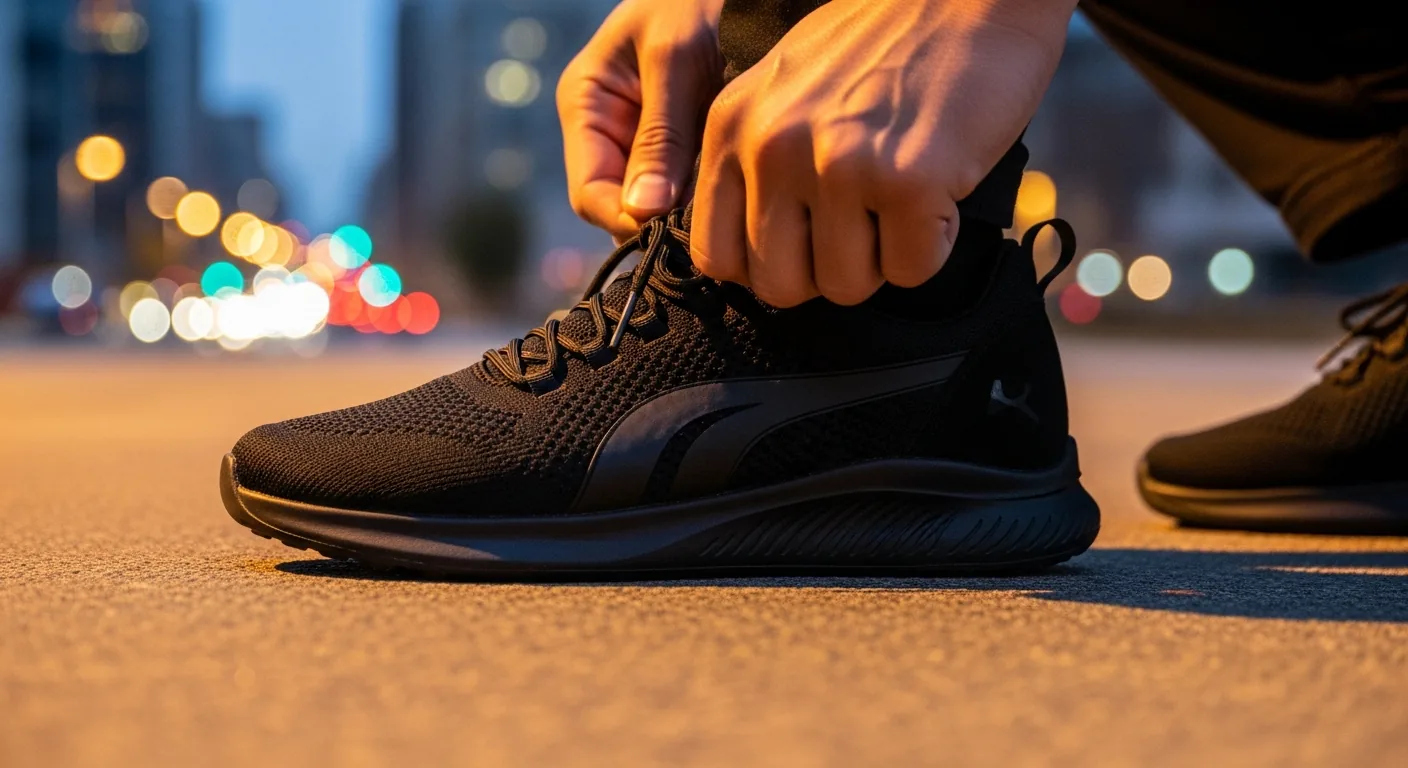
Here’s what makes this moment different from earlier waves of fashion-sport crossover: the shoes themselves are refusing to stay in one lane, and women are the ones steering that refusal. Previous luxury-athletic collabs tended to land in one of two buckets—streetwear flex or runway spectacle. You wore them to signal cultural capital or to make a fashion statement, but rarely both at the same time, and almost never to the office.
The current generation of satin, metallic, and ballet-adjacent collabs dissolves those categories. A pair of Miu Miu x New Balance 530s in dusty rose with a strap detail works with wide-leg trousers and a blazer on a Tuesday, then reappears with a slip dress on Friday night. The Alaïa Salomon Toe Moc in silver leather is genuinely comfortable enough for a full day of walking—Salomon’s Contagrip outsole and OrthoLite sockliner aren’t decorative—while looking like nothing else in any sneaker store or any shoe department. The KNWLS ASICS GEL-Kayano 14 “Venom,” with its sheer mesh panels and matte black hardware, reads as simultaneously aggressive and refined, as at home with a midi skirt as with cargo pants.
This isn’t about “dressing up sneakers” or making athletic shoes “appropriate.” That framing condescends. What’s actually happening is that women are choosing shoes that match the way they actually live—in motion, across contexts, without the luxury of changing shoes three times a day or the desire to. And brands that have historically separated “fashion” from “function” are finally realizing that women were never confused about what they wanted. The industry was confused about women.
The Demand Data Tells a Pointed Story
Let’s talk money, because demand isn’t abstract. According to Circana’s Q1 2025 footwear report, women’s fashion-athletic crossover sneakers—defined as collaborations between a fashion or luxury brand and a traditional athletic company—grew 34% year over year in U.S. dollar sales, outpacing both the overall women’s sneaker category (up 11%) and the men’s fashion-athletic crossover segment (up 19%). Women’s-exclusive releases within this category had an average sellout rate of 78% within the first week, compared to 61% for unisex releases from the same partnerships.
Resale tells a similar story. On GOAT, the top ten most-traded women’s sneakers in Q1 2025 included four fashion-performance collabs: the Miu Miu x New Balance 530 “Ballet,” the Sacai x Nike Cortez 4.0 “Bronze,” the Alaïa x Salomon XT-6 “Milk,” and the Puma x Coperni 90SL “Plum Satin.” All four were women’s exclusives. All four traded above retail. The XT-6 “Milk” averaged $487 against a $290 retail—a premium that rivals or exceeds many hyped men’s collaboration releases.
These aren’t vanity stats. They’re evidence that when brands invest in women-centered product with genuine design ambition and proper sizing, women respond with their wallets. And they’re a rebuke to the long-standing industry excuse that women’s sneakers “don’t sell as well,” an excuse that always conveniently ignored the fact that women were being offered less product, in fewer sizes, with smaller marketing budgets.
Styling Across Contexts Without Compromise
Talking about how these shoes function in real life means talking about how women are actually wearing them—not in staged campaign images, but in the wild. Scroll through the feeds of collectors and stylists like Aleali May, who’s been photographed in the Sacai Cortez 4.0 with a vintage Issey Miyake pleated pant, or Emily Oberg, who paired the Coperni Puma 90SL with an oversize navy suit for a day of meetings, and you see the thesis made physical. These aren’t shoes that demand a particular outfit. They complete wildly different ones.
The satin and metallic finishes that define this moment are doing specific work. Satin catches and diffuses light in a way that reads as both luxurious and relaxed—it elevates a jeans-and-tee combination without tipping into costume, and it holds its own next to tailoring without looking out of place. Metallics, especially the warm-toned bronzes and champagnes dominating Spring 2025 releases, function almost as neutrals for women who’ve moved past the silver-or-gold binary. They pair with earth tones, with black, with unexpected brights. They’re versatile in a way that the sneaker industry’s historical color palette for women—pastel pink, powder blue, greige—never was, because that palette was chosen by people who thought “women’s” meant “softened.”
The ballet-adjacent details—straps, elongated toe boxes, lower-to-the-ground proportions—carry a different kind of styling intelligence. They reference a silhouette that women already know how to wear, one that’s been in our visual vocabulary since childhood, and they layer that familiarity onto a sneaker chassis. The result is a shoe that reads as intentional rather than casual, considered rather than defaulted to. When you wear a Miu Miu x New Balance 530 with a strap, you aren’t wearing sneakers because you gave up on looking polished. You’re wearing sneakers because they are the polished choice.
Community Spaces Are Validating the Shift
None of this is happening in a vacuum. The cultural infrastructure around women’s sneaker culture has grown dense enough to support—and demand—this kind of product. Sneaker meetups and panels centered on women, like the SoleWomenDay events that have expanded from London to Lagos, New York, and Tokyo, create physical spaces where women discuss, display, and trade sneakers without needing to justify their presence. The Kicks & She community itself is evidence. So are the growing number of women-focused sneaker podcasts, like “Laced Up Ladies” and “Sole Stories,” where hosts break down release calendars, call out sizing gaps, and interview the women designers reshaping product lines from inside the major brands.
These spaces matter because they create feedback loops. When women gather to talk about what’s working and what isn’t, that information reaches brands faster and with more texture than sales data alone. Chitose Abe has spoken about attending women’s sneaker meetups in Tokyo and hearing directly from collectors about fit, colorway preferences, and the specific frustrations of being sized out of releases. Charlotte Knowles cited conversations at a KNWLS pop-up in London’s Shoreditch as the catalyst for insisting on the extended size run for her ASICS collab. The community isn’t just consuming what’s made. It’s shaping what gets made next.
Where the Lane Leads From Here
If you’re reading this and thinking the fashion-performance collision in women’s sneakers is a trend that’ll cool off by Fall 2025, the evidence points hard in the other direction. Balenciaga and adidas have confirmed a women’s-first release within their ongoing partnership for later this year, reportedly a reworked Track sneaker with a satin-bonded upper—details are scarce but the intent is clear. Simone Rocha is rumored to be in development with Nike on a women’s-exclusive Cortez variant that leans into her signature pearl and tulle vocabulary. And Salomon, which has emerged as the performance brand most aggressively courting fashion partnerships, has signaled through its 2025 investor presentation that women’s collaborations will account for 40% of its partnership revenue by 2026, up from 22% in 2023.
The lane is wide, and it’s getting wider. But width alone isn’t the point. What matters is who’s driving, who’s designing, and who’s being centered in the conversation. The best partnerships coming out of this collision—the ones generating real cultural weight and commercial heat—share a common trait: women aren’t an afterthought or a secondary market. They’re the reason the shoe exists. The silhouette was shaped around their feet. The materials were chosen with their lives in mind. The sizing was built to include, not exclude. The marketing speaks to them as the primary audience, not a bonus demographic.
That’s not a trend. That’s a correction. And it’s been decades in the making. The satin uppers and metallic finishes and ballet straps are beautiful, and they deserve to be celebrated on their aesthetic merits. But they also represent something structural: an industry finally responding to women who never stopped showing up, never stopped collecting, never stopped demanding better—and who are now getting product that reflects not just their taste, but their influence. The lane belongs to the people who built it. Always has.