Sell-Through Data Shows What Women Actually Buy
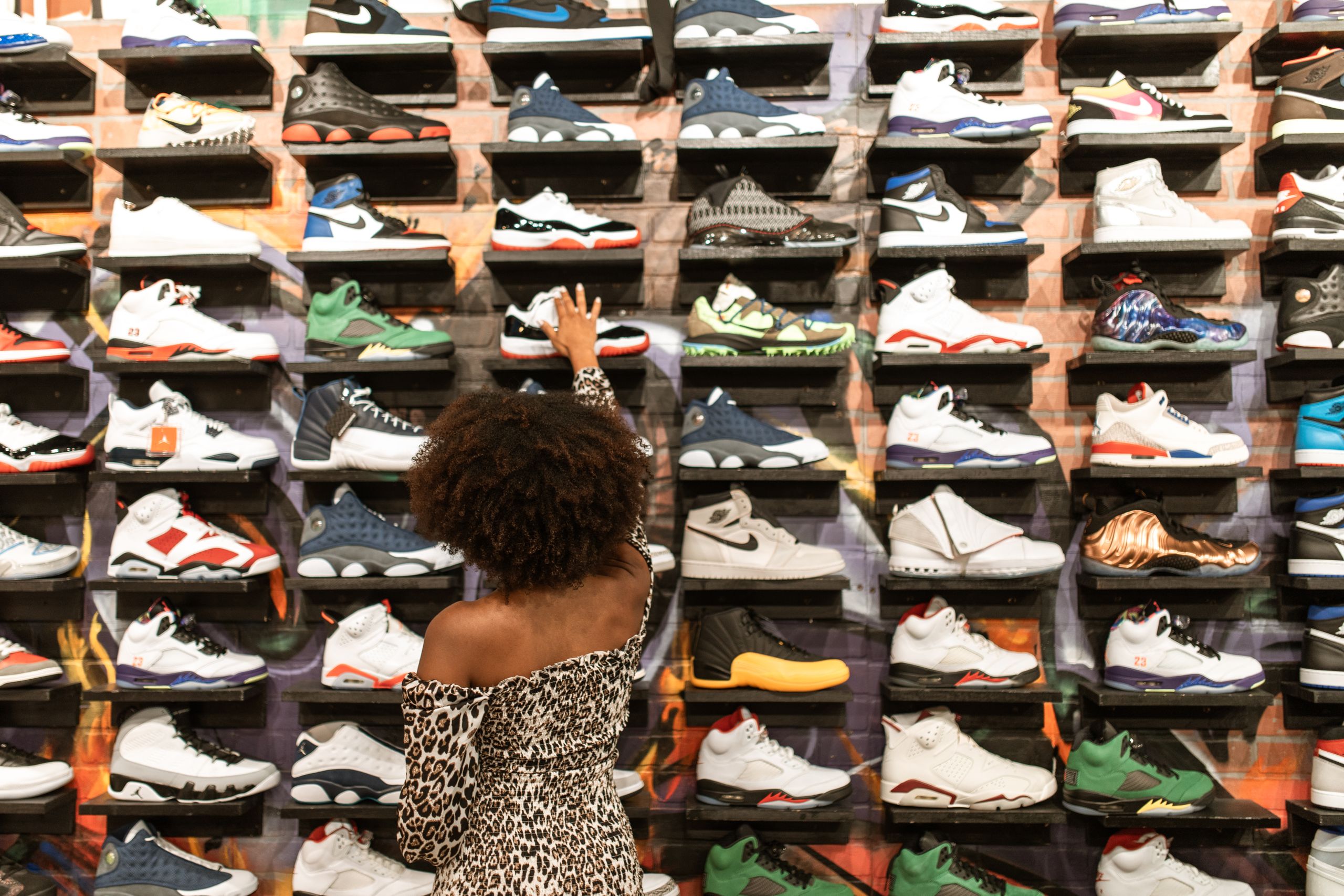
On a Thursday afternoon in late April, Destinee Martinez sat cross-legged on the floor of her Dallas apartment, surrounded by fourteen shoe boxes. Martinez, a 28-year-old data analyst by day and sneaker reseller by obsession, was photographing pairs she’d once expected to flip for a premium—pairs that were now sitting at or below retail on every major platform. “I had three pairs of the Women’s Air Jordan 5 ‘Sail’ from the March 8 drop,” she told me over FaceTime, holding one up to the camera. “StockX has them under retail in most sizes. Meanwhile, a pair of Sambas I grabbed on a whim in the ‘Silver Green’ colorway? Gone in two hours for $60 over what I paid.” She set the Jordan down gently, almost apologetically. “The market’s telling us something, and the brands better be listening.”
What it’s telling us is this: the old formula—big silhouette plus heavy marketing plus “women’s exclusive” label—no longer guarantees sell-through in women’s sizes. We’re watching a real-time divergence between resale value and actual consumer demand for women’s sneaker releases, and the gap is exposing a deeper truth about how women are buying, what they’re buying, and why legacy hype machines can’t keep up with a consumer base that’s been underestimated for decades.
Resale Prices and Real Demand Tell Different Stories
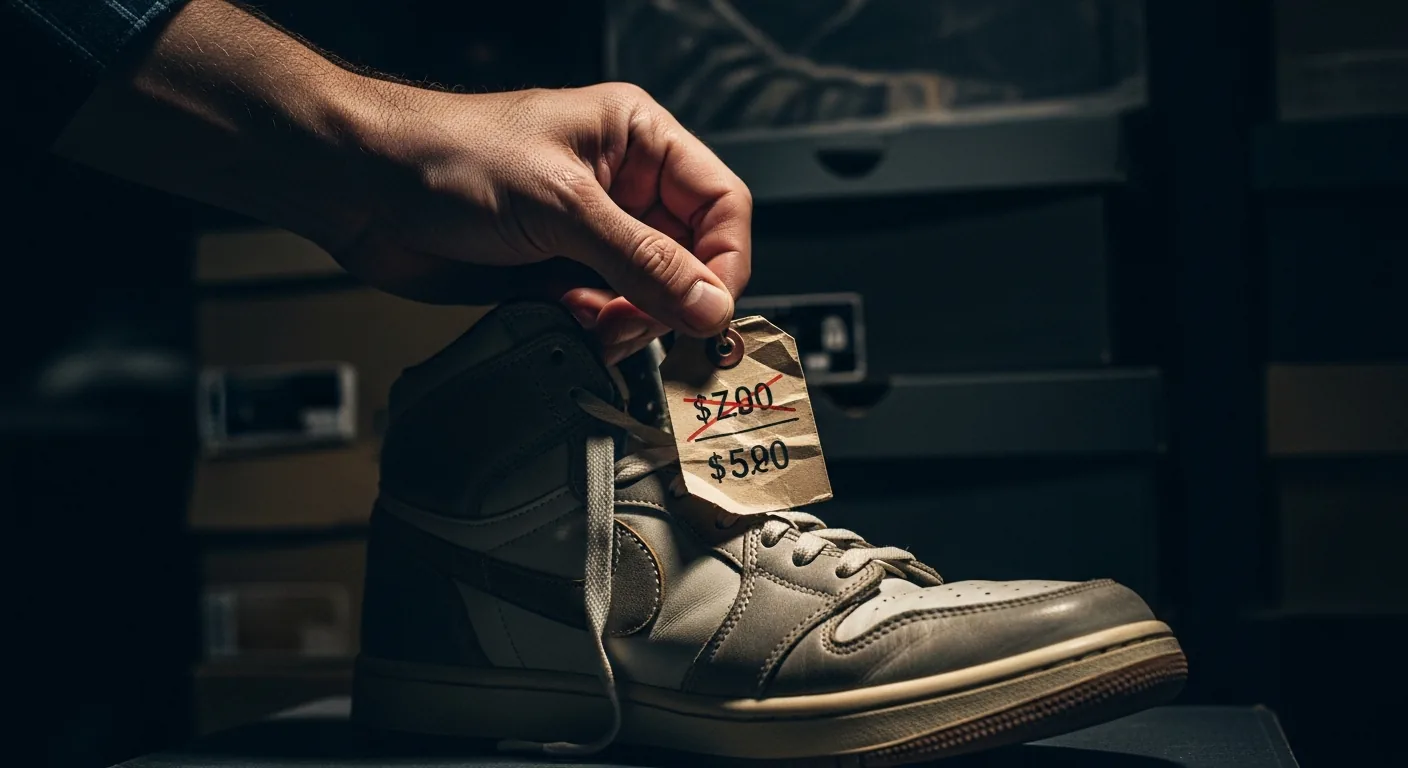
For years, resale price was treated as the ultimate barometer of a sneaker’s cultural relevance. If a pair traded above retail on StockX or GOAT, it was a hit. If it sat, it was a brick. Simple. But that binary has fractured—especially in women’s sizing. Consider the data from Q1 2025 alone. Nike’s Women’s Dunk Low “Polar Blue,” released January 18, carried a $115 retail price and traded around $98 to $105 in most women’s sizes on StockX as of early May 2025. By traditional metrics, it’s a dud. But SNKRS sell-out times—tracked by third-party monitors and consistent with Nike’s own reporting—showed the pair clearing in under eleven minutes on launch day. The disconnect? Women bought them to wear, not to flip. There’s no resale premium because the shoes went straight to feet, not to shelves.
Contrast that with the Women’s Air Jordan 1 High “Washed Heritage,” dropped February 22 at $180. It had the Instagram campaign, the influencer seeding, the nostalgia play. Resale asks hovered between $160 and $175 within two weeks—meaning sellers were actively losing money after fees. The shoe didn’t fail because it was ugly or poorly made. It failed because women looked at it and recognized what it was: a recycled men’s concept in a smaller size run, dressed up with a name that suggested intentionality but delivered something generic. Women didn’t reject the silhouette. They rejected the laziness.
This is the divergence Martinez tracks in the spreadsheet she’s been building since January, and it’s the divergence reshaping the entire women’s sneaker market in 2025. Resale tells you what flippers think will move. Sell-through and wear rates tell you what women actually want—and those two things are increasingly diverging.
Fashion-Coded Sneakers Are Winning the Sell-Out Race
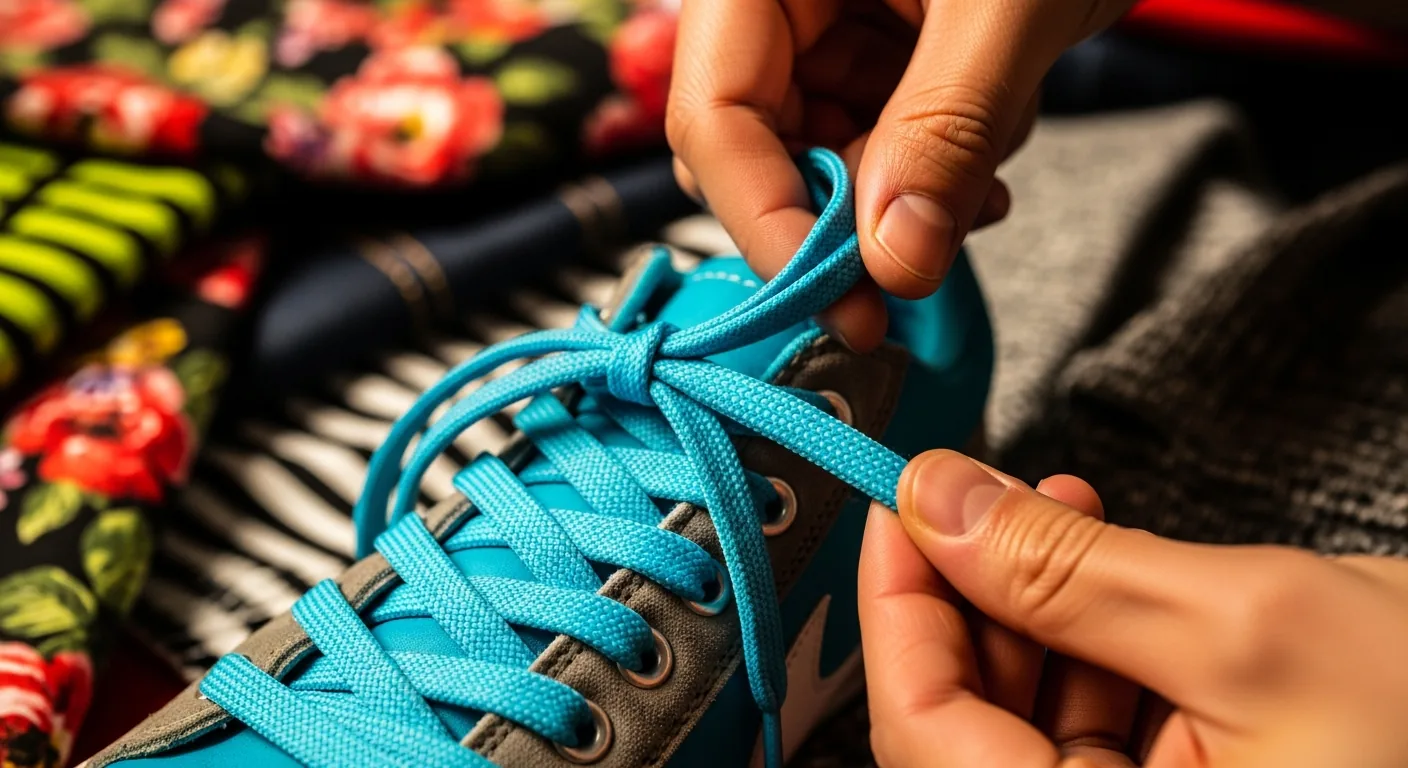
So what is moving? The answer keeps landing in the same territory: low-profile, fashion-coded silhouettes that women can style across contexts without being boxed into a single aesthetic. The adidas Samba, obviously, has been the headline here for over a year, but the deeper pattern is more interesting than one shoe’s dominance. The New Balance 530 in “Sea Salt,” released exclusively in women’s sizing on March 1, sold out on NewBalance.com in under thirty minutes and hit a 40 percent resale premium within 48 hours. The ASICS Gel-1130 in “Birch/Café” moved similarly fast, with the women’s-size run clearing out a full day before the unisex sizes on the same drop, March 15. The Puma Palermo “Warm White/Vine,” a women’s-exclusive colorway that landed April 5 with zero paid influencer push, sold through at Foot Locker and SSENSE within the first weekend.
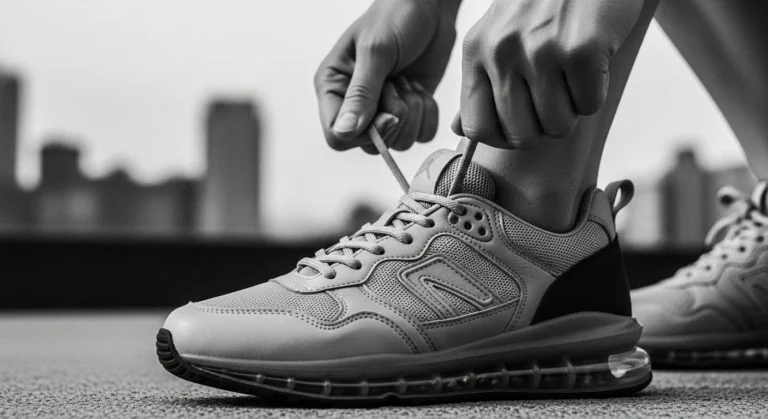
What connects these pairs isn’t color palette alone—though the muted, tonal, earth-and-cream family clearly resonates. It’s proportion. These are all slim, low-to-the-ground shoes that sit closer to ballet flats and loafers on the formality spectrum than to chunky runners or high-top basketball silhouettes. They’re sneakers that work with wide-leg trousers, midi skirts, linen shorts, and tailored pants without announcing themselves as athletic footwear. They’re what stylists call “quiet shoes”—footwear that integrates rather than dominates.
This matters because it reflects a broader shift in how women use sneakers in their wardrobes. The era of the statement sneaker—the chunky triple-sole, the neon accent, the look-at-me collab—isn’t dead, but it’s no longer the center of gravity for women’s purchasing. The center has moved toward versatility, subtlety, and what fashion editor Gabriella Karefa-Johnson once described as “shoes that know they don’t need to shout.” Women are spending on pairs they’ll wear four days a week, not pairs they’ll photograph once for the grid.
The Hype Machine Stalls on Women’s Releases
Meanwhile, the shoes sitting tell an equally instructive story. The Women’s Nike Air Max 97 “Barely Rose,” a March 22 release at $175, is currently available in full size runs at multiple retailers nearly six weeks after drop. The Women’s Jordan 4 “Orchid,” one of the most hyped women’s exclusives of Q1, trades below retail on GOAT in seven of eleven available sizes as of early May 2025. Even the highly anticipated Women’s Nike Air Force 1 “Valentine’s Day” edition, which dropped February 8 with a themed marketing campaign and special packaging, saw resale prices crater within ten days.
These aren’t obscure releases from unknown brands. These are marquee silhouettes from the biggest name in sneakers, backed by marketing budgets that could fund a small country’s tourism board. And they’re sitting. The pattern is consistent enough to constitute a trend: high-profile, heavily marketed women’s releases built on legacy silhouettes are underperforming relative to quieter, fashion-forward drops from brands like New Balance, ASICS, and Puma.
Part of the explanation is market saturation. Nike, in particular, has flooded the women’s market with Air Force 1, Dunk, and Jordan variations over the past three years, often with only superficial color or material changes between releases. When you’ve dropped nineteen colorways of the Women’s Dunk Low in a single calendar year—as Nike did in 2024—the twentieth doesn’t generate the same urgency, regardless of how good the leather is. But saturation alone doesn’t explain why women are simultaneously clearing out New Balance and ASICS drops at full speed. The deeper issue is relevance. Women aren’t buying fewer sneakers. They’re buying different sneakers, from brands that feel aligned with how they actually dress and live.
Women’s Buying Power Reshapes the Market
Let’s talk numbers, because the scale of women’s buying power in sneakers deserves specificity. According to Circana’s 2024 U.S. footwear report, women’s sneaker sales grew 11 percent year-over-year, outpacing men’s growth of 4 percent. The NPD Group—now part of Circana—estimates women accounted for roughly 40 percent of total U.S. sneaker revenue in 2024, up from 33 percent in 2020. StockX’s own transparency data shows that women’s-exclusive releases represented 22 percent of all new sneaker listings on the platform in Q1 2025, up from 14 percent in Q1 2023.
These aren’t niche numbers. This is a market segment growing at nearly three times the rate of the men’s segment, spending real money, and making purchasing decisions that don’t mirror the traditional hype cycle. Women aren’t waiting for Complex to co-sign a release. They’re not checking resale projections before deciding whether a shoe is worth owning. They’re buying based on personal style alignment, material quality, comfort, and versatility—criteria that have always mattered but that a scene prioritizing scarcity and status above all else historically dismissed as “casual” concerns.
Destiny Ricks, a sneaker buyer for a major East Coast boutique who’s been in the industry for nine years, put it bluntly: “Women are the most sophisticated sneaker consumers in the market right now, and most brands still don’t have a women’s buyer in the room when release calendars get built.” Ricks pointed to her store’s Q1 sell-through data, where the top five women’s sellers were all sub-$140 retail, all low-profile silhouettes, and none were Jordans. “We see what moves in our stores. The brands see what their marketing team tells them should move. Those are two different conversations. Three years ago, that top-five list would’ve been all Dunks and AJ1s. The customer evolved. Some brands haven’t.”
Key Women Driving the Sneaker Conversation Forward
The divergence between hype and demand isn’t just being tracked by analysts—women are actively shaping it by building alternatives to the old gatekeeping structures. Gia Kuan, the New York–based creative director and stylist, has spent the last year consulting with ASICS on their women’s lifestyle positioning, helping the brand understand that a women’s release strategy can’t just be a men’s strategy in smaller sizes. Her work on the Gel-Kayano 14 “Cream/Papaya” campaign, which launched in late March, centered the shoe in editorial-quality imagery styled with Khorin Mirzayan suiting and vintage silk scarves—no gym, no track, no athleisure clichés.
In London, Shaniqwa Jarvis, the photographer and creative director who’s shot campaigns for Nike, Converse, and Off-White, has been vocal about the gap between how brands photograph women in sneakers and how women actually style them. “There’s still this default mode where brands put a woman in bike shorts and a sports bra and call it a women’s campaign,” she said in a recent interview with The Face. “Women in sneakers are wearing them to gallery openings, to work, to dinner. The imagery needs to catch up to the reality.” Jarvis’s own creative work has been instrumental in shifting the visual language around women and sneakers, proving that authenticity and aspiration aren’t mutually exclusive.
And then there’s the community infrastructure being built from the ground up. Fiona Hepher, co-founder of the Women in Sneakers collective in Melbourne, has organized over thirty events since 2022 specifically focused on women’s sneaker culture—trading meets, panel discussions, and styling workshops. Her February 2025 event in Melbourne drew 400 attendees and featured a live data presentation breaking down which women’s releases held value and which didn’t, using resale data from StockX, GOAT, and local consignment shops. “We’re tired of being told what to like,” Hepher said. “Our community tracks this stuff ourselves. We know what’s moving and what’s sitting—and we know why.”
Why Low-Profile Pairs Outperform Legacy Silhouettes
The “why” behind the current divergence comes down to something deceptively simple: women’s sneaker culture has matured past the point where brand mythology alone can drive a purchase. The Air Jordan 1, as iconic as it is, carries cultural baggage rooted in men’s basketball history. That doesn’t make it irrelevant to women—plenty of women love and collect Jordans—but it does mean the emotional connection has to be earned through design, storytelling, and fit, not assumed through heritage.
Low-profile, fashion-coded silhouettes don’t carry that baggage. A Samba, a Gazelle, a 530, a Palermo—these shoes arrive without demanding allegiance to a specific sports narrative. They’re blank enough to absorb personal style and specific enough in their design language to feel intentional. They work because they meet women where they are, rather than asking women to cosplay a space that wasn’t built with them in mind.
There’s also a practical dimension that can’t be ignored. Slim, low-profile sneakers are easier to style across seasons and contexts. They fit into a wider range of outfit silhouettes. They don’t require you to build your entire look around the shoe. For women who are buying sneakers as a wardrobe staple rather than a collectible—and the data suggests that’s the majority—this versatility is the deciding factor. It’s not that women don’t appreciate a bold sneaker. It’s that bold sneakers need to justify their boldness in a way that quiet, well-designed pairs simply don’t.
Martinez, back in Dallas, said it best while packing up her photo shoot: “I used to buy based on the story the brand told me. Now I buy based on the story I can tell with the shoe. And right now, the shoes that let me tell my own story are the ones that sell.”
What This Divergence Means for the Next Release Cycle
The implications for brands are concrete and urgent. Nike, which still dominates women’s sneaker marketing spend, faces a strategic reckoning. Its Q1 2025 women’s sell-through rates on high-profile releases have been softer than any comparable period in the last three years. Meanwhile, New Balance has quietly grown its women’s sneaker revenue by an estimated 28 percent year-over-year, largely on the strength of fashion-coded lifestyle silhouettes priced between $100 and $150. ASICS, once dismissed as a dad-shoe punchline, has become the dark-horse favorite among women’s sneaker communities on TikTok and Reddit, with the Gel-1130 and Gel-Kayano 14 consistently ranking among the most-discussed women’s releases in online forums.
For the next release cycle—summer and early fall 2025—the brands that win will be the ones that internalize what the current data is screaming. Women don’t want more colorways. They want more intention. They don’t want “women’s exclusive” as a marketing gimmick slapped on a slightly smaller shoe with a pastel upper—they want products designed from the last up with women’s feet, women’s style, and women’s daily lives in mind. They want to see women designers’ names on the box, and to hear from women buyers, women creative directors, women community leaders—not about them, but from them.
The divergence between resale and demand in women’s sneakers isn’t a market anomaly. It’s a correction. For decades, women’s sneaker releases were an afterthought—smaller size runs, derivative designs, marketing campaigns that treated women as a secondary audience. Women bought anyway, styled anyway, collected anyway, built community anyway. Now the market is big enough and sophisticated enough that women’s preferences are driving sell-through data brands can’t ignore or explain away. The hype machine built for a different consumer can’t manufacture demand among women who’ve already decided what they want.
The shoes will keep talking. The spreadsheets will keep filling up. And the women who’ve always known what they wanted—the Destinee Martinezes, the Destiny Rickses, the Fiona Hephers—will keep spending their money exactly where it makes sense to them. The only question left is which brands are paying close enough attention to follow.