Trust Isn’t a Colorway—It’s Built in the Design Lab

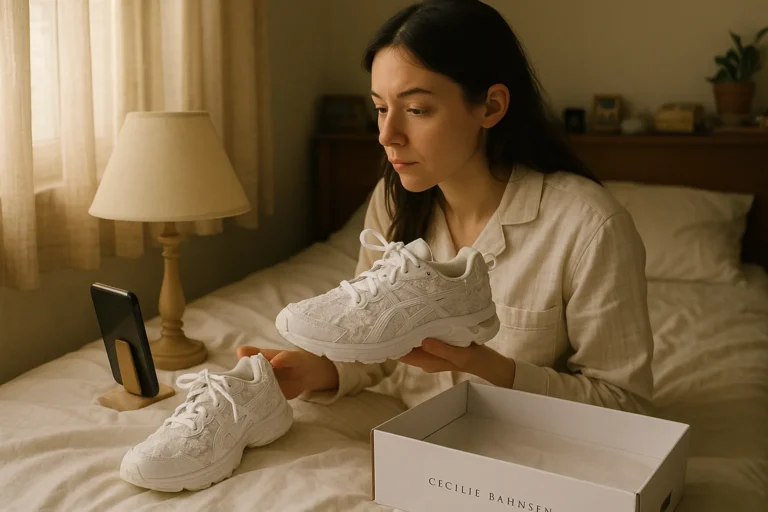
The alarm hits at 5:47 AM and she’s already awake. She’s been awake. The SNKRS app is loaded, her payment info confirmed twice, and the Air Jordan 5 “Sunset” sits in her phone screen like a promise—that gradient of orange bleeding into deep coral, the translucent sole catching the light of a shoe she hasn’t held since 2007. Her thumb hovers. The countdown ticks. She knows the sizing might run narrow because it always does with women’s-exclusive Jordan 5s and nobody from the brand has said a word about whether they’ve adjusted the last. She knows the product page lists three photos and zero performance specs. She knows the campaign imagery features a woman in motion, hair flowing, laces untied in that effortlessly cool way that photographs well but tells her nothing about whether this shoe will fit her wide foot. She buys anyway. She always buys anyway. And that’s exactly what brands are counting on.
The Numbers Look Good on Paper
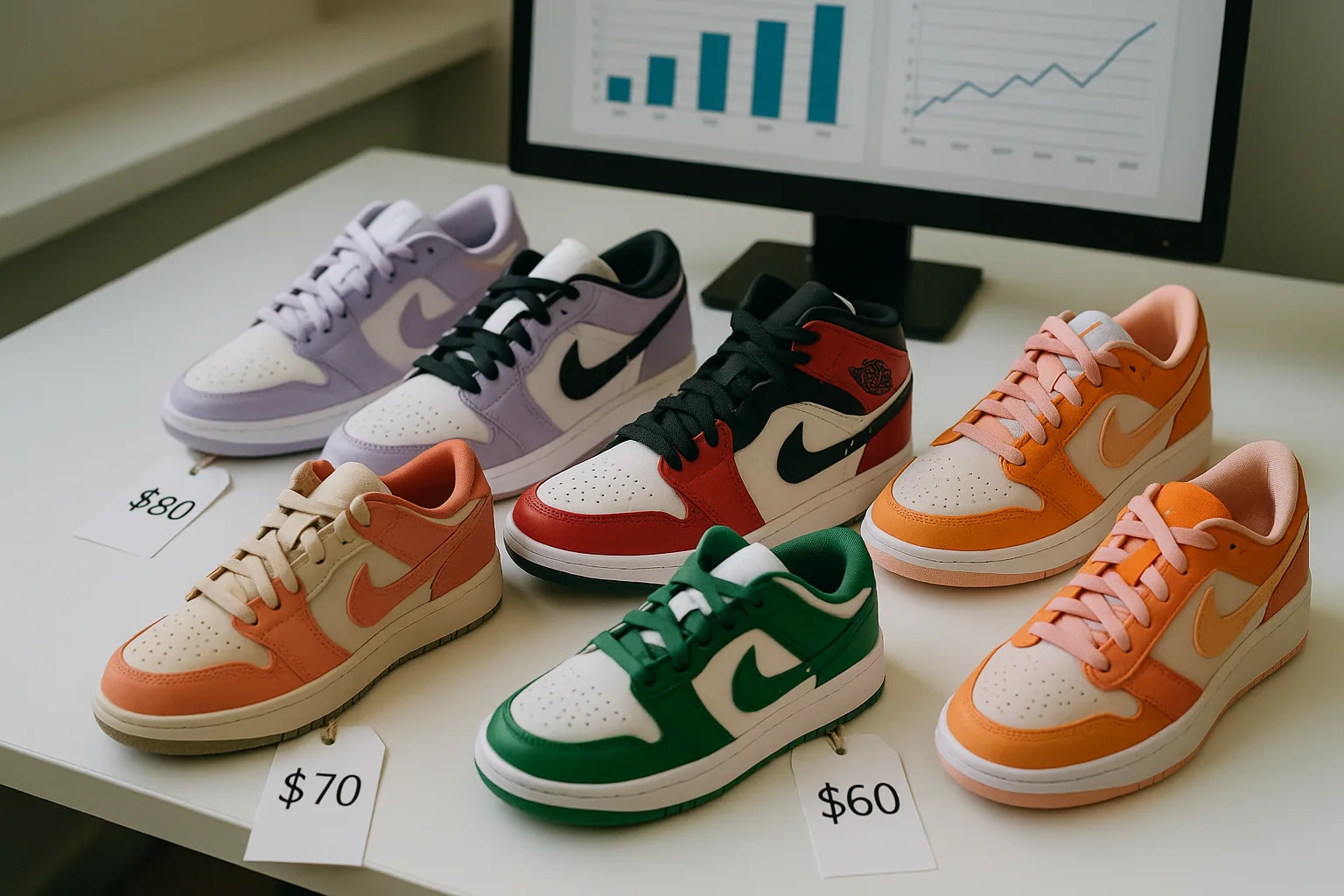
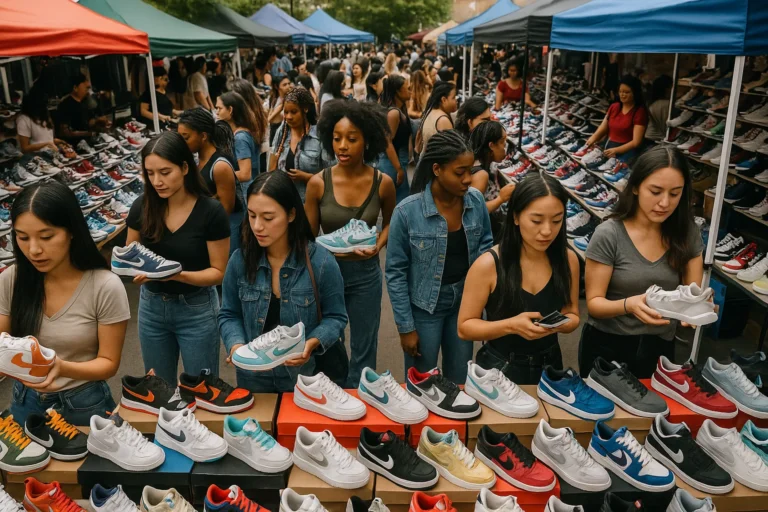
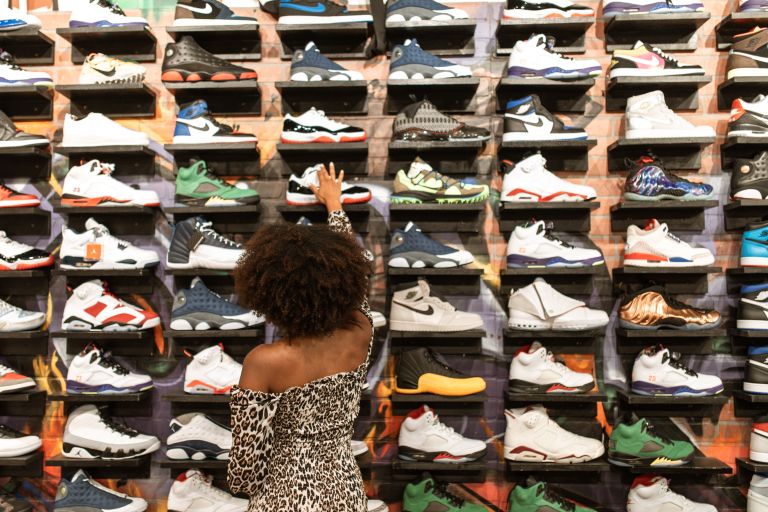
By most industry estimates—and corroborated by [Circana’s 2025 U.S. footwear data](https://www.circana.com)—women’s sneaker spending has been climbing steadily for years, and 2026 is shaping up as another record cycle. Jordan Brand alone has stacked women’s-exclusive releases across its marquee silhouettes—the [Air Jordan 4 “Pink Thunder,”](https://www.nike.com/jordan) the Air Jordan 6 “Sail Neutral Olive,” the Air Jordan 11 Retro Low “Mother’s Day” dropping May 9, and that returning [Air Jordan 5 “Sunset”](https://www.nike.com/jordan) in women’s-exclusive sizing for the first time in nearly two decades. Nike’s pipeline is just as loaded: the women’s-exclusive [Mind 002](https://www.nike.com) is rolling out new colorways alongside the Mind 001 “Old Royal,” the First Sight Shadow SP is launching in two futuristic colorways, the [Dunk Low “Pink Spell”](https://www.nike.com) is locked strictly for women’s sizing in Fall/Winter 2026, and the Air Max Dolce “Metallic Silver” is pushing the silhouette into loafer-adjacent territory. Over at adidas, [Simone Rocha’s upcoming collaboration](https://www.adidas.com) features five women’s-exclusive pairs spanning the Taekwondo Ballerina, Japan Slip-On, and a Climacool wedge silhouette. By the raw count, sneakerheads who wear women’s sizes have never had more product made explicitly for them.
But raw counts don’t tell you how those shoes actually fit. They don’t tell you whether the women photographed in the campaigns had any input on the product. They don’t tell you if the “women’s-exclusive” label means something was designed from the ground up for her foot or if a men’s colorway was scaled down and repackaged with a softer palette. More product doesn’t mean better product, and anyone who’s been buying women’s releases for a few years already knows the difference.
When Casting Substitutes for Consulting
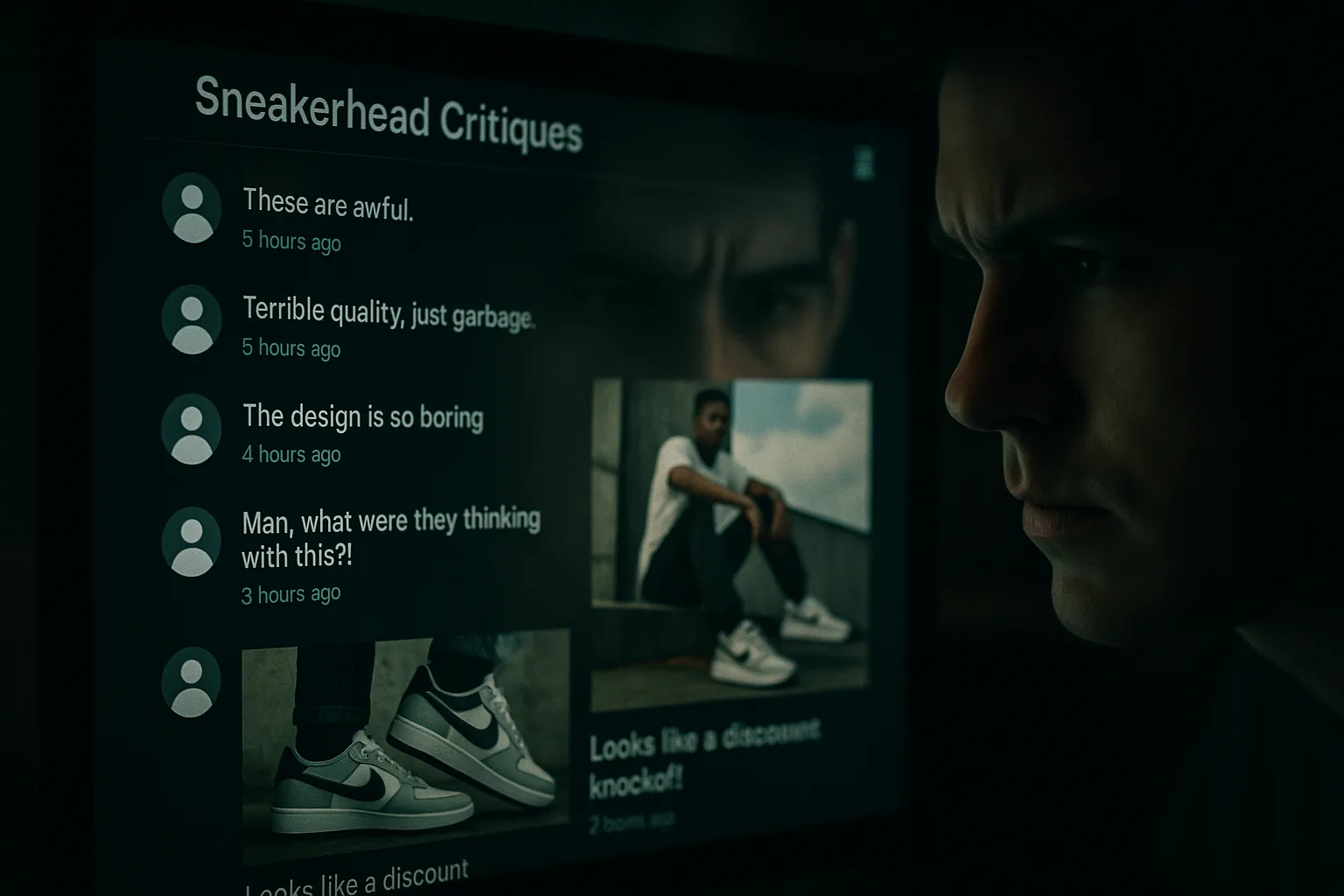
The backlash is sharpening—and getting specific. Across social media, sneaker forums, and community group chats, collectors aren’t just noticing the gap between marketing and product. They’re naming it. The critique isn’t new, but the precision is. Nobody’s saying “do better” in vague terms anymore. Sneakerheads are pointing at exact campaigns and asking exact questions. Why does this product page have four lifestyle images and zero information about cushioning? Why is there a behind-the-scenes video of a woman “inspiring” the design team but no woman listed as a co-designer? Why does the press release say “made for her” when the tooling is identical to the men’s release from three months ago?
Chantel Benson, founder of the [Women Who Sneaker](https://www.instagram.com) community—a network of over 8,000 collectors—has been vocal about this pattern: “We see through it immediately. You put us in the campaign, you put us on the mood board, but you don’t put us in the room where the shoe actually gets made. That’s not inclusion. That’s casting.”
The pattern is consistent enough to have earned its own shorthand in sneaker communities: aesthetic inclusion. It’s the practice of placing women at the center of a campaign’s visual identity—the casting, the styling, the aspirational imagery—while keeping them at the margins of product development. The woman in the ad looks incredible. She’s styled in a way that signals the brand understands culture. But the shoe on her foot? It wasn’t built with her feedback. The sizing chart doesn’t account for the width variance that exists in women’s feet at higher sizes. The drop-down menu goes up to a women’s 12 if she’s lucky, and even that runs small. The campaign says you belong. The product says you’re an afterthought.
The Sunset Test: Nostalgia Meets Accountability
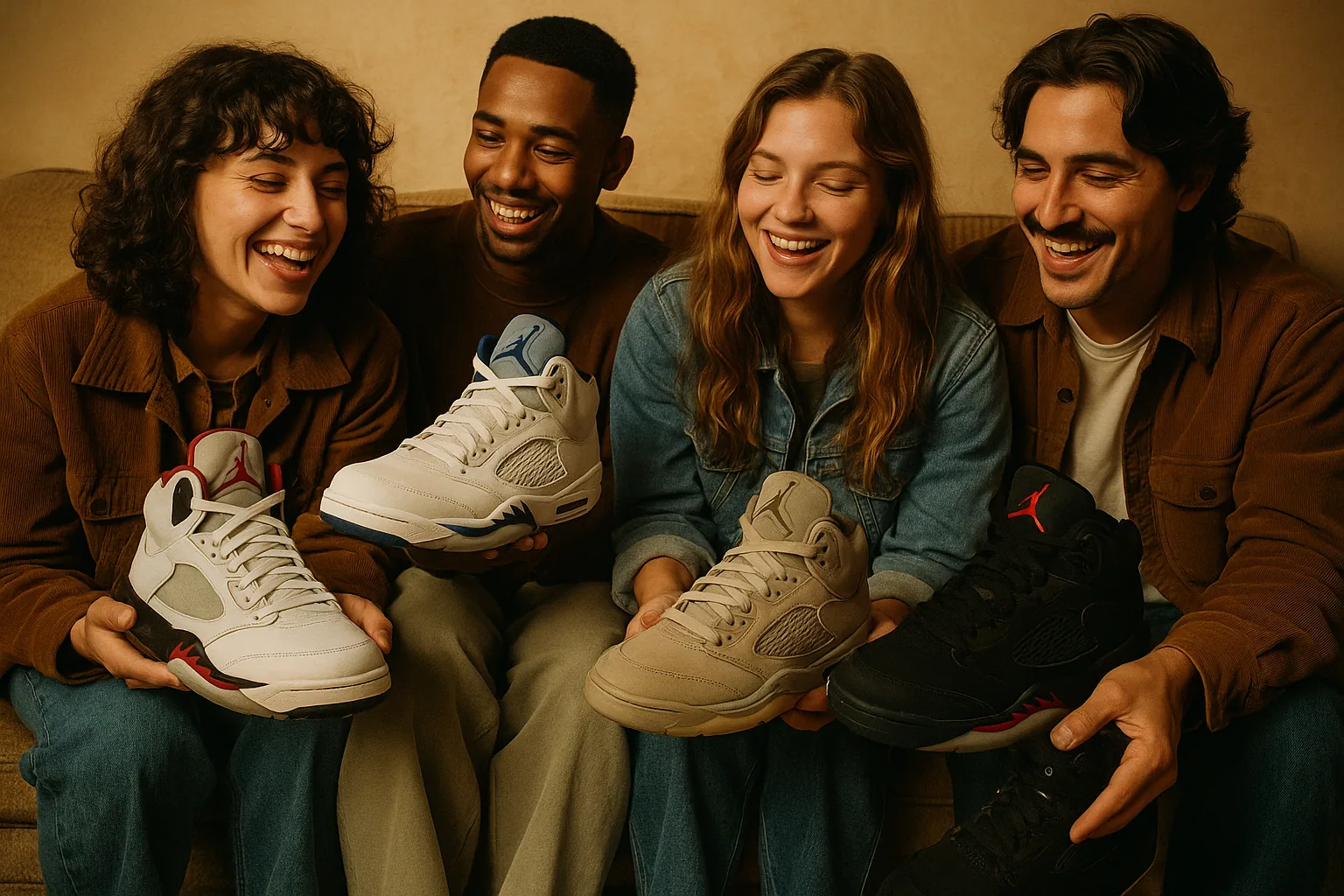
The Air Jordan 5 “Sunset” is a perfect case study. This shoe carries nearly two decades of emotional weight. If you rocked the original, you remember what it felt like to own a Jordan that wasn’t just available in your size but felt like it was *yours*—the colorway, the energy, the cultural moment. Its return in 2026 as a women’s-exclusive has generated genuine excitement, and rightfully so. Jordan Brand is acknowledging that women’s demand for retro heat is real and worth investing in. That matters.
But the conversation around the release has also surfaced a recurring frustration: the information vacuum. As of now, [coverage frames the “Sunset”](/tags/sneaker-releases) as one of Jordan Brand’s biggest sleeper releases of the year, yet detailed product information—fit notes, material breakdowns, last adjustments—remains sparse. If you’ve been burned before by women’s-exclusive Jordans that fit differently than expected, that crease in odd places because the proportions weren’t rethought, you’re asking questions that the marketing hasn’t bothered to answer. You’re not ungrateful for the release. You’re tired of gratitude being the only acceptable response when a brand gives you something beautiful but incomplete.
This is the tension at the core of the backlash: you don’t want fewer shoes. You want the shoes you’re getting to come with the same level of transparency, technical respect, and developmental rigor that men’s releases receive as standard. A women’s-exclusive colorway on a marquee silhouette should be celebrated. It should also come with specs.
Simone Rocha, Mind 002, and What Substance Looks Like
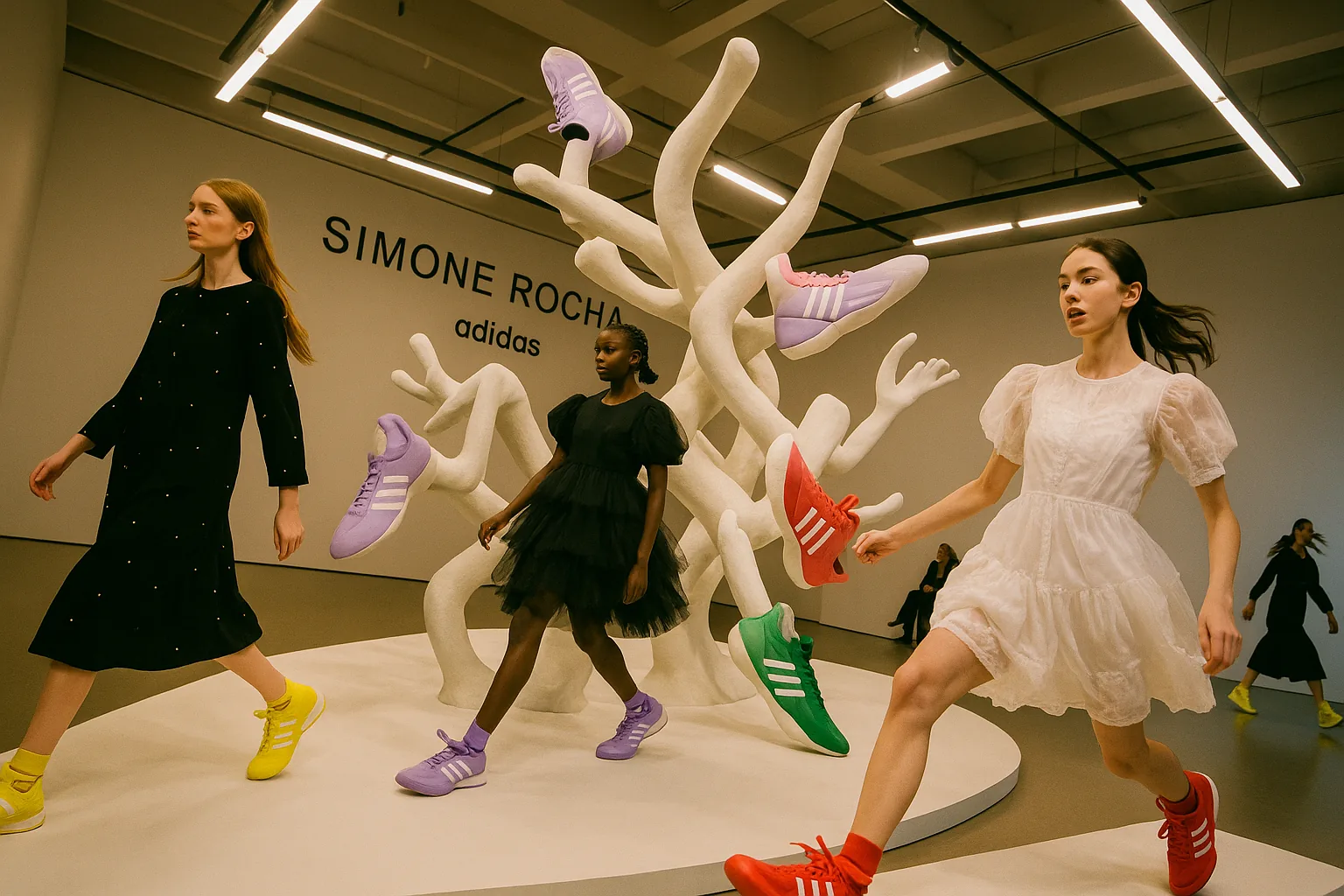
Not every 2026 release falls into the aesthetic-inclusion trap. Some are genuinely pushing the conversation forward, and it’s worth naming them because the distinction matters. Simone Rocha’s [adidas collaboration](https://www.adidas.com) is one of the most compelling examples. Five women’s-exclusive silhouettes isn’t just a capsule—it’s a collection with range, spanning the Taekwondo Ballerina’s dance-inspired lines, the Japan Slip-On’s minimalist ease, and a Climacool wedge that refuses to pretend women’s sneakers need to look like shrunken men’s shoes. Rocha isn’t a muse brought in for the campaign shoot. She’s the creative lead—and adidas has a track record here worth noting. Georgina James, VP of design at adidas, has spoken publicly about restructuring the women’s product pipeline so that collaborators like Rocha have authority over fit and construction decisions, not just color and material selects. That’s a fundamentally different posture than handing a designer a mood board and asking her to choose a palette.
Nike’s Mind 002 is another interesting signal. As a women’s-exclusive line expanding into new colorways alongside the Mind 001 “Old Royal,” it represents the kind of investment that goes beyond one-off drops. Building out a women’s-only product line with multiple colorways and continued seasonal support suggests a longer commitment than a single release-day splash. Whether that commitment extends to fit innovation and performance data remains to be seen—and you should be asking—but the structural investment is a different posture than slapping a women’s size run on an existing men’s shoe and calling it progress.
The Nike Air Max Dolce “Metallic Silver” sits in yet another lane—the loafer-inspired, lifestyle-forward space where your sneaker interest is broadening beyond classic basketball and running silhouettes. This expansion matters because it reflects how you actually wear sneakers: not just on courts or tracks, not just as streetwear staples, but as part of a wardrobe vocabulary that includes tailored trousers, dresses, and workwear. When brands design into that reality instead of just photographing it, the product has a better chance of earning trust.
The Resale Problem Compounds the Representation Problem
There’s another layer to this that doesn’t get talked about enough. Women’s-exclusive releases, especially retro Jordans and high-demand Dunks, are increasingly positioned as scarcity-driven drops. The Air Jordan 4 “Pink Thunder,” the Dunk Low “Pink Spell,” the returning “Sunset”—these are shoes that will attract resellers the moment they hit confirmed release calendars. That’s the nature of the market. But when women’s-exclusive product gets eaten up by resale before the people it was ostensibly made for can access it, the representation in the campaign starts to feel even more hollow.
You can’t be told this shoe was made for you and then watch a release infrastructure make it nearly impossible to buy at retail. You can’t be cast in the ad and then lose out to bots while your pair shows up on [StockX](https://www.stockx.com) at double the price within an hour. The marketing promises belonging. The distribution model says good luck. Sneakerheads in this community are acutely aware of the contradiction, and it feeds directly into the broader frustration with surface-level inclusivity. If brands are serious about making women’s sneakers for the people who’ll actually wear them, the access pipeline has to match the messaging. Otherwise, representation is just a prettier word for advertising.
What Real Input Looks Like Beyond the Campaign
The pushback isn’t about perfection. It’s about process. You want to know that when a brand labels something women’s-exclusive, it means a woman’s foot was scanned, a woman’s gait was studied, a woman’s feedback on the prototype made it into the final product. You want to see women credited not as inspirations but as collaborators, co-designers, product developers, and decision-makers with authority over fit, materials, and construction. You want the behind-the-scenes content to show a woman in the design lab, not just in the campaign studio.
Jordan Brand’s women’s design team, led by figures like Natalie Martinez—who has discussed in [interviews](https://www.nike.com) the process of reworking the AJ1 last specifically for women’s foot geometry—offers a template for what this looks like when it’s real. The work isn’t glamorous. It’s hundredths of millimeters in toe-box width. It’s prototype rounds that never make Instagram. But it shows up in the product, and you can feel it.
This is why the “shrink it and pink it” critique persists even when the colorways have evolved beyond pink. The palette has gotten more sophisticated—olive, sail, sunset orange, metallic silver—but the underlying question hasn’t changed. Was this shoe designed for your body, or was it designed for your aesthetic? There’s a difference, and you can feel it every single time you lace up. A narrow toe box isn’t a style choice. A heel slip isn’t a preference. These are fit failures that happen when the design process doesn’t center the person the product is supposedly for.
The best collaborations in women’s sneaker history have one thing in common: the woman involved had actual authority. She didn’t sign off on a mood board. She iterated on samples. She pushed back on materials that didn’t work. She fought for a wider size run. That’s what it looks like when representation has substance. It’s less photogenic than a campaign shoot, and it doesn’t compress into a 30-second Instagram reel. But it shows up in the product. And you can tell.
Your Kicks Deserve More Than a Campaign
This isn’t an emerging culture anymore—it’s an established one. The collectors, the stylists, the trendsetters, the community builders, the sneakerheads who’ve been in this space for decades and the ones who joined last year—you’re all paying attention. You see the volume of women’s-exclusive releases in 2026 and you recognize it as a meaningful shift. More product, more colorways, more silhouettes, more options. That’s real.
But you also see the gap. You see campaigns that celebrate you visually while omitting the technical details that would signal genuine respect. You see product pages that read like mood boards instead of spec sheets. You see women’s names attached to collaborations where the creative input was limited to selecting fabrics from a pre-approved palette. And increasingly, you’re saying so—loudly, specifically, and with the kind of product knowledge that makes vague corporate responses sound tone-deaf.
The brands that close the gap between their marketing and their product development will earn loyalty that lasts longer than a release cycle. The ones that keep producing beautiful campaigns for shoes that don’t fit right will keep facing backlash that gets sharper every season. Patience has been the default for too long—grateful for every crumb of recognition. That era is over. The expectation now isn’t just that brands make shoes for you. It’s that they make shoes *with* you—and that every campaign, product page, and release strategy reflects that collaboration as something more than decoration.
The “Sunset” drops soon. The “Pink Thunder” is on the calendar. [Simone Rocha’s adidas collection](https://www.adidas.com) is coming. The [Mind 002](/tags/sneaker-releases) keeps expanding. Fall/Winter 2026 is loaded. The question isn’t whether you’ll buy. You will. The question is whether brands will give you a reason to trust—not just a reason to want. And right now, trust is the one thing no campaign can manufacture.
This is the conversation. You’re already in it. What are you seeing from brands this year—substance or surface? Drop into the comments, tag us, bring receipts. Your kicks are as unique as you are, and your standards should be too. We’re listening, and we’re not the only ones who should be.