The Sneaker Decides: Building Every Outfit From the Sole Up
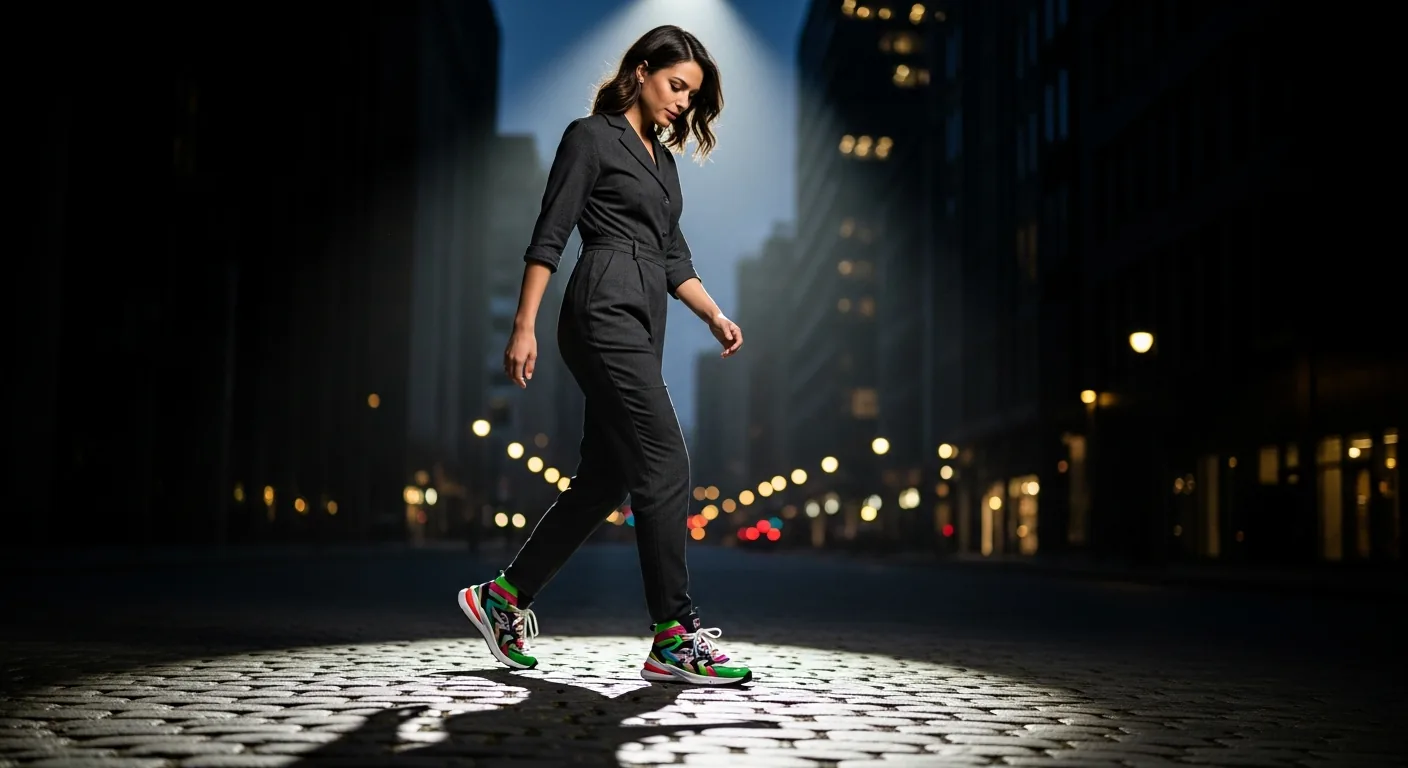
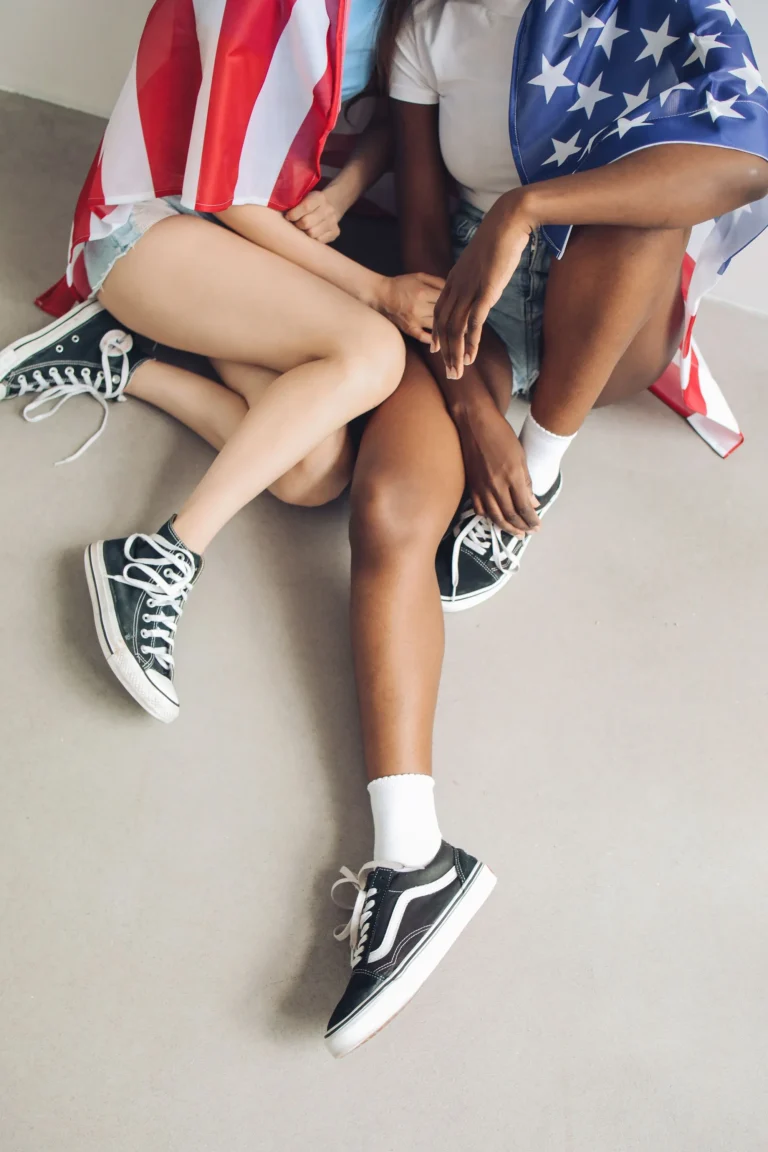
The outfit doesn’t start with the blouse, the bag, or the mood board anymore. It starts with the shoe wall.
Women across the sneaker world have been doing this quietly for years, but in 2025, shoe-first dressing isn’t just a habit. It’s a philosophy. It’s pulling the Air Jordan 1 Low SE in Sail and Phantom off the shelf before you’ve even thought about pants. It’s letting the mossy suede of a Saucony Shadow 6000 dictate whether the rest of you goes earth-toned or sharply monochrome. It’s treating the sneaker not as the finishing touch but as the thesis statement of the entire look, and then defending that thesis with every layer above the ankle.
This isn’t trend forecasting. This is documentation. Women are already here, already doing this, and the scene is bending around them.
Why Shoe-First Dressing Changed the Game
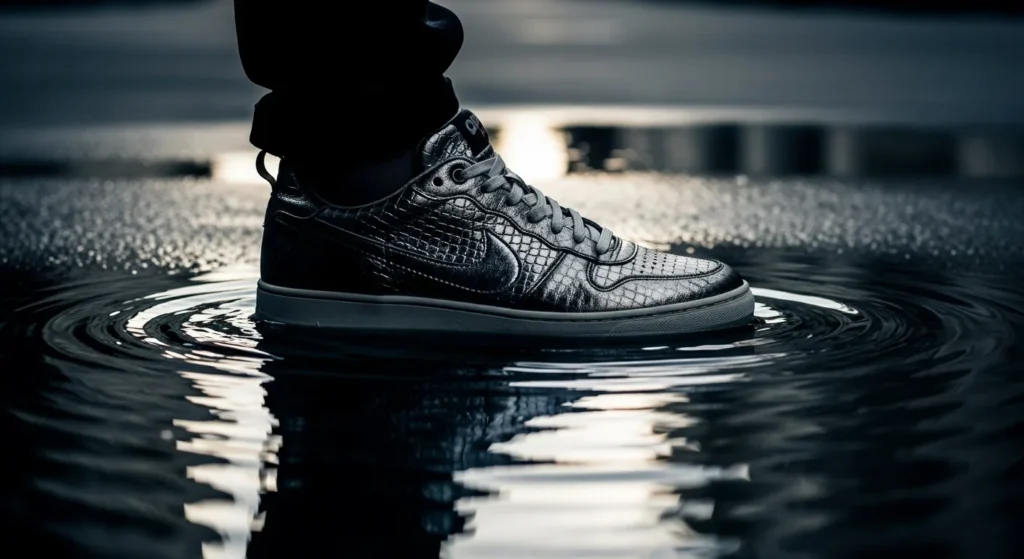
The concept sounds deceptively simple: pick the sneaker, build the outfit. But what it actually represents is a tectonic shift in how women approach personal style. For decades, mainstream fashion advice told women to “complete” a look with shoes—choose the dress, find the shoes to match. Sneakers, when they appeared at all, were treated as casual concessions. Something you wore when you weren’t “really” getting dressed.
Shoe-first dressing demolishes that hierarchy. It says the sneaker is the most considered, most curated, most intentional piece in the rotation. Everything else is supporting cast.
And the women driving this shift aren’t doing it in a vacuum. They’re responding to a sneaker landscape that finally offers them enough variety, enough access, and enough women-led design energy to justify anchoring an entire wardrobe philosophy around a single pair. When Aleali May collaborated with Jordan Brand on a women’s-forward Air Jordan 4 colorway in late 2024, that terracotta and cream palette didn’t just sit pretty on a shelf. Women on social media were building complete travel wardrobes around those tones within forty-eight hours of the drop. Linen trousers in sandstone. Ribbed tanks in burnt sienna. Crossbody bags in warm taupe. The shoe came first. Everything else followed.
That’s the signal. And it’s everywhere.
From Drop Day to Outfit Day: The New Ritual
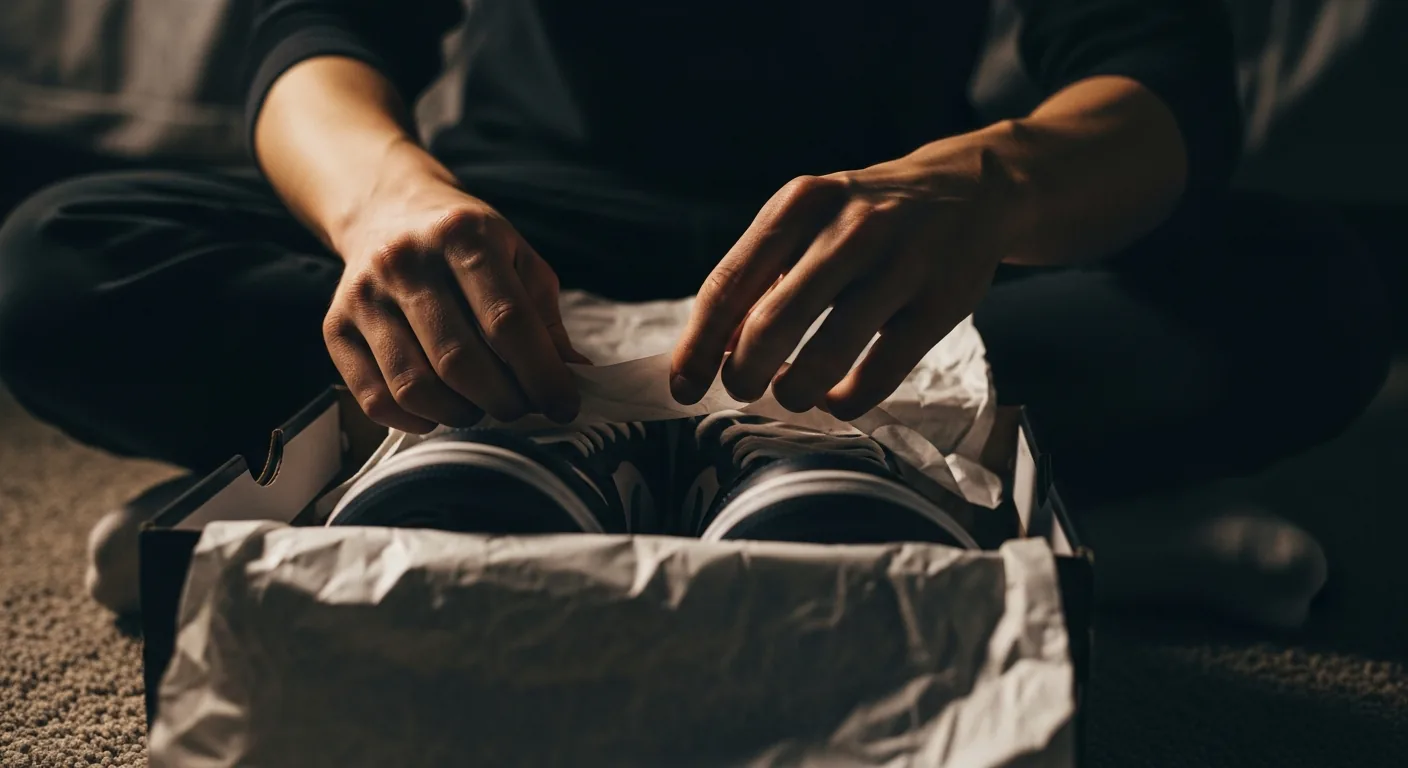
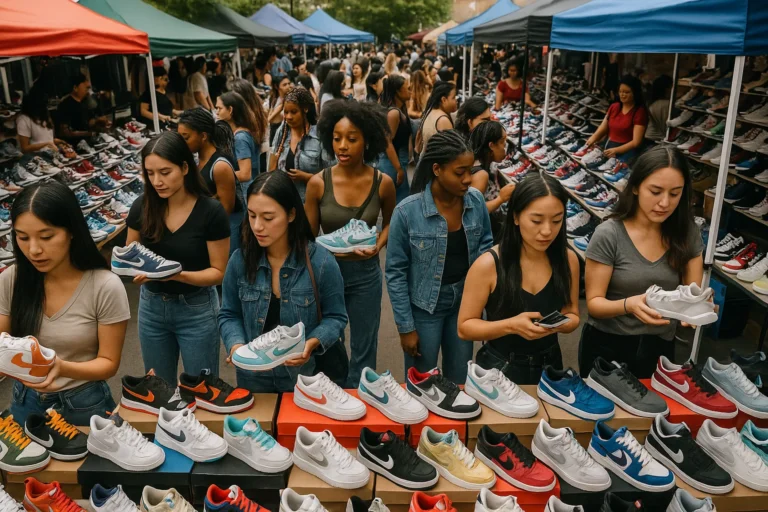
There’s a specific energy on drop days now that didn’t exist five years ago. Open any sneaker community Discord where women are active—SoleSisters, Laced Up Ladies, the invite-only channels where members treat styling with the same seriousness as copping—and you’ll see it. The moment a pair lands, the conversation pivots instantly from “did you hit?” to “what are you wearing with these?”
This isn’t afterthought styling. This is premeditated coordination.
Take the Nike Dunk Low in Dusty Olive, a women’s-exclusive colorway that dropped in March 2025. Within hours, creators on Instagram were posting full carousels: the Dunks paired with wide-leg cargos in a near-matching olive, an oversized cream knit, and a vintage army surplus jacket with the sleeves pushed to the elbows. Captions like “She picked the palette” racked up thousands of likes and hundreds of comments from women tagging friends, screenshotting the outfit, planning their own versions.
This is what shoe-first dressing looks like in practice. The sneaker isn’t completing the outfit. The sneaker is generating it. Color, texture, proportion—all of it radiates outward from the pair on the floor.
And it’s happening across every silhouette. Women aren’t limiting this approach to chunky dad shoes or retro runners. They’re applying it to slim-profile pairs like the Adidas Samba OG in Cloud White and Core Black, letting that sharp contrast anchor a minimalist look: straight-leg black trousers, a white poplin shirt, silver jewelry, done. They’re doing it with maximal platforms like the New Balance 9060 in Sea Salt, building soft, layered outfits in cream and stone that turn a sneaker into an entire mood.
Design Details That Drive the Coordination
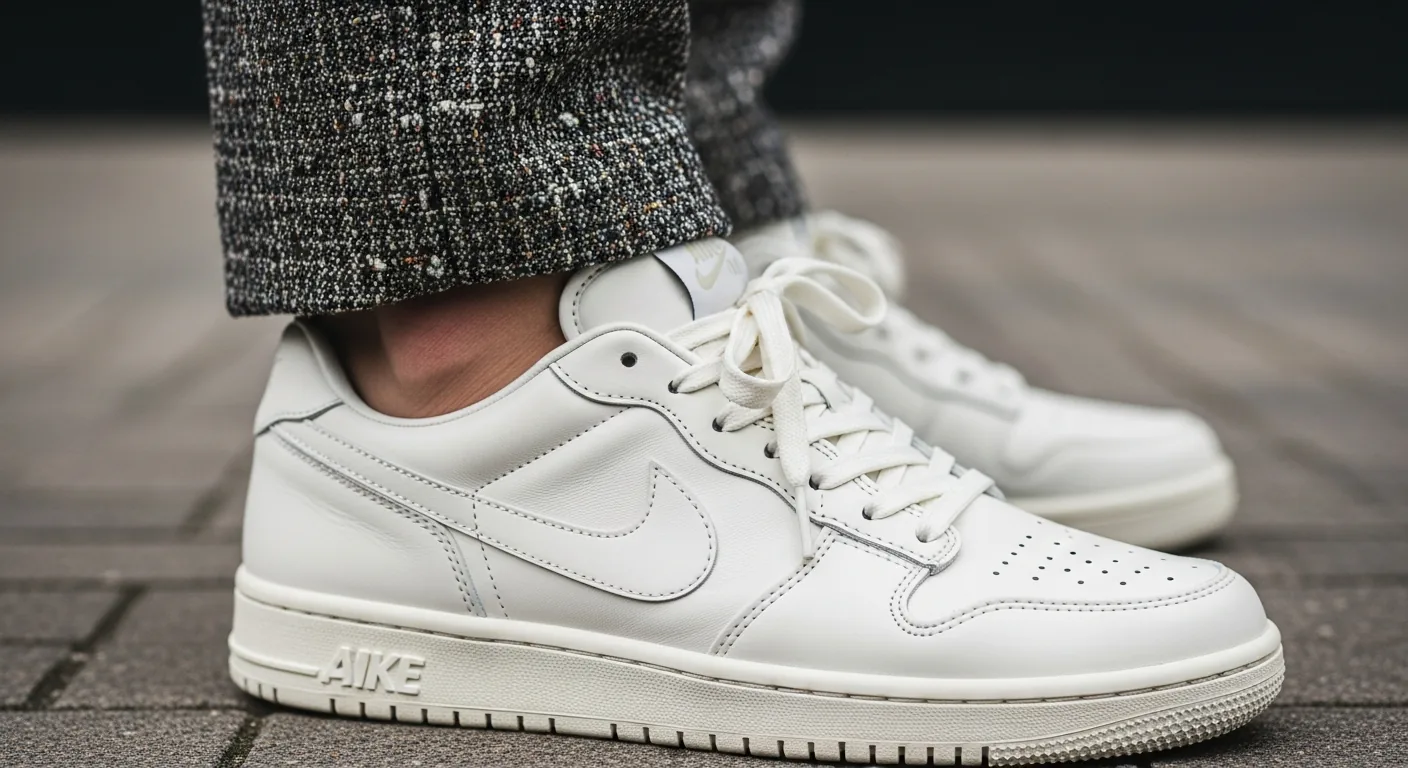
Here’s where the obsession gets granular. Shoe-first dressing only works when you actually look at the sneaker—really look at it. Not just the main colorway, but the accent stitching, the translucency of the outsole, the way the midsole foam catches light differently depending on the finish.
Women who dress shoe-first are reading their pairs like texts.
Consider the ASICS Gel-Kayano 14 in “Simply Taupe,” a women’s release from early 2025 that layered silver mesh over taupe suede overlays with a gum sole. That’s at least four distinct color-texture combinations in one shoe. A woman building an outfit from this pair might pull the silver into her accessories—a chain-link bag, metallic sunglasses—while letting the taupe anchor her base layer. Or she might go the other direction entirely, ignoring the metallics and building a full earth-tone story that makes the silver mesh feel like a surprise element. Both approaches are valid. Both start with the shoe.
The point is intentionality. And it requires a level of design literacy that the sneaker world has historically attributed only to men: knowing your materials, understanding how suede reads differently from nubuck, recognizing when a midsole is Boost versus EVA versus React and how that thickness changes the proportions of whatever sits above it. Women have always had this knowledge. Shoe-first dressing is just making it visible.
Designers are noticing, too. When Salehe Bembury debuted his women’s-specific sizing for the New Balance 574 “Yurt” in a muted sage and lavender colorway, he talked explicitly in interviews about wanting the palette to be “a starting point, not an endpoint.” He described imagining a woman standing in front of her closet, holding the shoe, and building outward. That’s not a designer talking about a product. That’s a designer acknowledging a practice women had already embraced before he articulated it.
Real Outfits, Real Women: Styling in the Wild
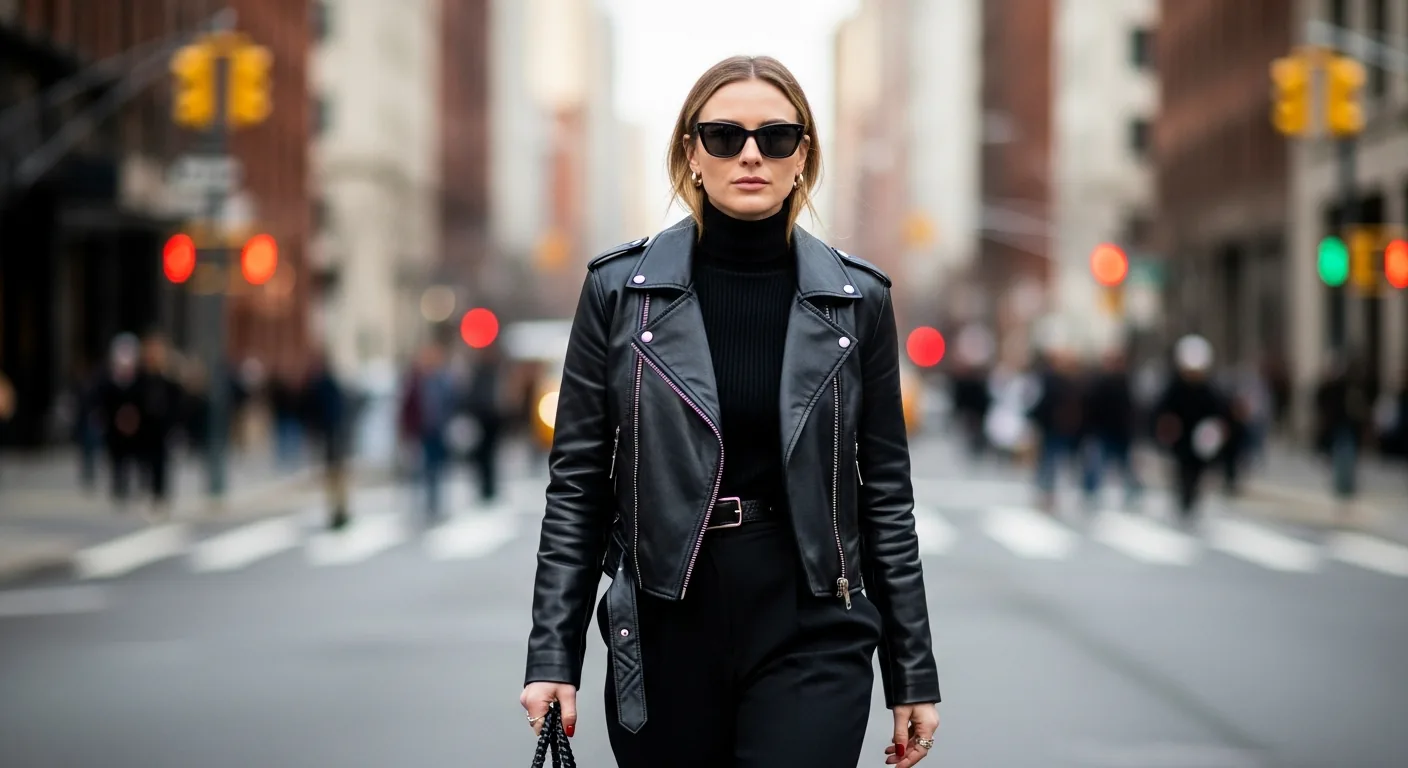
Theory is one thing. Execution is another. And the execution happening right now across TikTok, Instagram, and IRL sneaker meetups is staggeringly creative.
At SneakerCon Los Angeles in February 2025, a noticeable number of women attendees weren’t just wearing heat; they were wearing cohesive, shoe-anchored looks that drew as much conversation as the pairs themselves. One attendee, who goes by @marielkickz on social media, built an entire fit around the Air Max 95 “Anatomy of Air” in white and university red. She wore a white pleated midi skirt, a cropped red track jacket (vintage Nike, naturally), and white crew socks with a single red stripe. Every element traced back to the shoe. When asked about it on a live panel, she said something that stuck: “I don’t get dressed and then pick my shoes. I pick my shoes and then get dressed. The sneaker already knows what it wants.”
That quote circulated. It became a caption template. It became a shared language.
Other styling approaches are more subtle but equally deliberate. Travel content creator @packlightkicks has built an entire brand around the concept of packing for trips based on two or three sneaker choices. In a recent video documenting a five-day trip to Lisbon, she showed how a single pair, the Puma Palermo in a chalk-and-navy leather, dictated her entire suitcase. Navy linen shorts. Chalk-colored tank tops. A lightweight striped button-down that picked up both tones. Even her Rimowa carry-on was navy. The shoe was the blueprint; the trip was the execution.
This approach to dressing is particularly powerful for events. Weddings, gallery openings, birthday dinners—occasions where women have traditionally been steered toward heels or “dressy” flats. Shoe-first dressing reframes the question entirely. It moves from “can I wear sneakers to this?” to “which sneaker sets the right tone, and what do I build around it?” A woman wearing a Jordan 1 Mid in Barely Rose to a spring wedding isn’t being casual. She’s being precise. She’s chosen blush tailored trousers, a silk camisole in a complementary cream, and structured gold earrings that echo the metallic Wings logo on the collar. She’s not under-dressed. She’s architected.
Community Voices Are Driving the Conversation
The momentum behind shoe-first dressing isn’t coming from brands or magazines. It’s coming from women talking to each other.
Reddit’s r/SneakerFits community has seen a marked increase in posts from women explicitly tagged with phrases like “built around the shoe” or “sneaker-first fit.” The discussions in these threads are substantive, with members debating whether a matching tone or a complementary contrast serves a particular silhouette better, sharing links to specific garments that pair well with specific midsole heights, and workshopping proportions together. Styling as collaborative practice, happening in real time.
On TikTok, the hashtag #shoefirstdressing has accumulated over 28 million views as of May 2025, with creators ranging from college students filming get-ready-with-me content to professional stylists breaking down color theory using their sneaker rotations as teaching tools. Creator @solestyledby, who has over 400,000 followers, posted a series in April 2025 called “The Shoe Decides,” where she’d spin a lazy Susan of sneakers, stop it randomly, and build a full outfit in under sixty seconds. The series went viral not because of the gimmick but because of the skill. Watching her pull a cohesive look from a randomly selected New Balance 2002R in “Refined Future” grey was genuinely impressive; she matched the mesh texture to a sheer grey overshirt, echoed the suede panels with a moleskin tote, and let the silver N logo inform her choice of a delicate silver pendant. Sixty seconds. No hesitation.
These women aren’t waiting for permission or validation. They’re not asking brands if it’s okay to build a wardrobe philosophy around a sneaker. They’ve already done it. The brands are catching up.
When Brands Recognize the Shoe-First Woman
Some brands are starting to get it. Nike’s 2025 “Styled By Her” campaign, which launched in conjunction with International Women’s Day, spotlighted five women—a DJ in Atlanta, a ceramicist in Portland, a financial analyst in London, a student in Tokyo, and a chef in Mexico City—each describing their outfit process as sneaker-first. Every woman showed how a single pair of Air Force 1s in a city-specific colorway became the organizing principle of her daily wardrobe. The London colorway, a deep oxblood with gum sole, was particularly striking: the analyst paired it with charcoal wool trousers and a burgundy cashmere scarf, creating a look that moved seamlessly from commute to office to post-work drinks.
But recognition and accommodation are different things. If brands truly understand that women are building outfits around sneakers, then design decisions need to reflect that understanding. That means thinking about how a colorway functions within a wardrobe, not just on a product page. It means offering materials that develop patina and character over time, because women who dress shoe-first are wearing their anchors hard and often. It means sizing women’s-exclusive pairs with the same depth and consistency as men’s releases, because nothing kills a shoe-first wardrobe faster than not being able to get the shoe.
This is where the conversation gets sharper. Women-exclusive colorways that only run in limited quantities, or that skip half-sizes, or that arrive in fewer retail doors actively undermine the styling identity that women have built. You can’t anchor an outfit around a shoe you couldn’t cop. The access issue isn’t separate from the styling issue. They’re the same issue, and women in the community know it.
The Deeper Meaning of Building From the Sole Up
Shoe-first dressing is, at its core, about authority. Women are asserting that their sneaker knowledge runs deep enough and their taste is sharp enough to make a single pair the foundation of an entire visual identity. That means refusing to treat sneakers as accessories or afterthoughts, declaring that the shoe is the most important decision you’ll make when you get dressed, and having the skill to make everything else follow.
This matters because the sneaker scene has spent decades treating women’s participation as secondary, derivative, or decorative. The idea that a woman might know a shoe well enough to build a complete look around its specific material palette—that she might understand the difference between the tumbled leather on a Jordan 1 “Washed Heritage” and the smooth leather on a standard colorway and adjust her outfit accordingly—is still, somehow, surprising to parts of the industry. It shouldn’t be. Women have been doing this work. Shoe-first dressing just gives it a name.
The practice also creates a feedback loop that’s reshaping demand. When women consistently style around specific pairs, those pairs gain cultural value beyond hype cycles. The resale market reflects this: women’s-exclusive colorways that photograph well in outfit context, that look as good in a full-length mirror shot as they do in a flat lay, tend to hold value longer than pairs hyped solely on scarcity. The styling is the marketing. The community is the campaign.
What to Watch Next in Shoe-First Styling
The next twelve months will accelerate everything documented here.
Watch for brands releasing “capsule” color stories—drops where a sneaker arrives alongside suggested apparel in coordinating tones, essentially acknowledging that the shoe is the starting point. Adidas has already hinted at this approach with its 2025 Gazelle “Palette” collection, which pairs specific Gazelle colorways with matching track pants and knit tops designed to function as a system. Whether women embrace this or reject it as overly prescriptive will be fascinating to track.
The rise of shoe-first content creators is shifting the format, too. These women operate less as sneaker reviewers and more as stylists, treating each pair as a creative prompt rather than a product to evaluate. The question is moving from “is this shoe worth it?” to “what does this shoe make possible?” That’s a fundamentally different framework, and it’s one women have been answering all along.
Don’t sleep on community-organized styling challenges, either—virtual and IRL events where women are given a specific pair and tasked with building the best outfit around it. These are already popping up in cities like Chicago, Houston, and Philadelphia, often organized through the same group chats and Discord servers that coordinate drops. The competitive element adds energy, but the real value lives in the collective creativity, the shared vocabulary, the proof that this isn’t a niche practice but a widespread approach to getting dressed.
And keep an eye on the women who’ve been doing this longest, who were building outfits around their Air Max 97s in Silver Bullet before anyone called it shoe-first dressing. They deserve recognition not as novelties or exceptions, but as the originators of a styling movement that the rest of the world is only now learning to name.
The sneaker comes first. It always has. Now everybody’s paying attention.