The Drops Are Loud. The Data Is Louder.
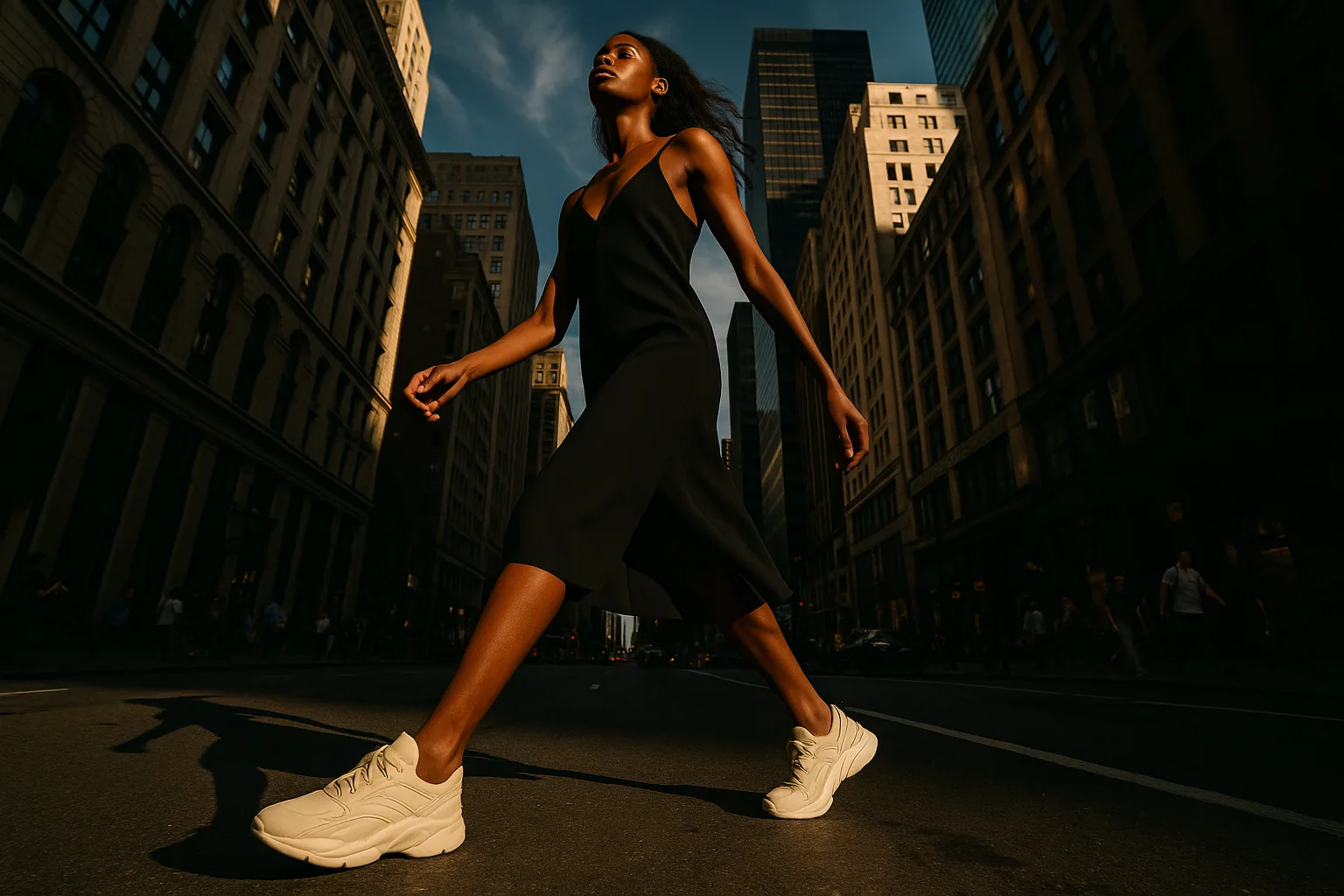
Women aren’t borrowing from sneaker culture anymore — they’re bending it into something it’s never been. The wave of women’s-exclusive retro remix sneakers arriving through fall 2026 represents something far more interesting than pastel palettes slapped onto men’s molds. We’re talking ballet-coded shapes, sculptural layering, mule constructions, and loafer-inspired slip-ons that treat the sneaker not as athletic equipment but as a vessel for personal identity. And brands, finally, seem to be paying attention to the difference between shrinking a shoe and actually designing one.
If you’ve been building a rotation that actually reflects who you are — not just what was available in your size — this is your season. Style your story with intention, because the options have never been this deep.
But here’s where it gets complicated. The drops generating the most editorial heat aren’t always the ones moving units. The silhouettes dominating mood boards and Instagram carousels sometimes sit on shelves, while the pairs that quietly sell out barely crack a headline. Understanding this gap — between spectacle and substance, between what photographs well and what women actually lace up — is where the real conversation lives.
The Numbers Are Loud, but They’re Not the Full Story
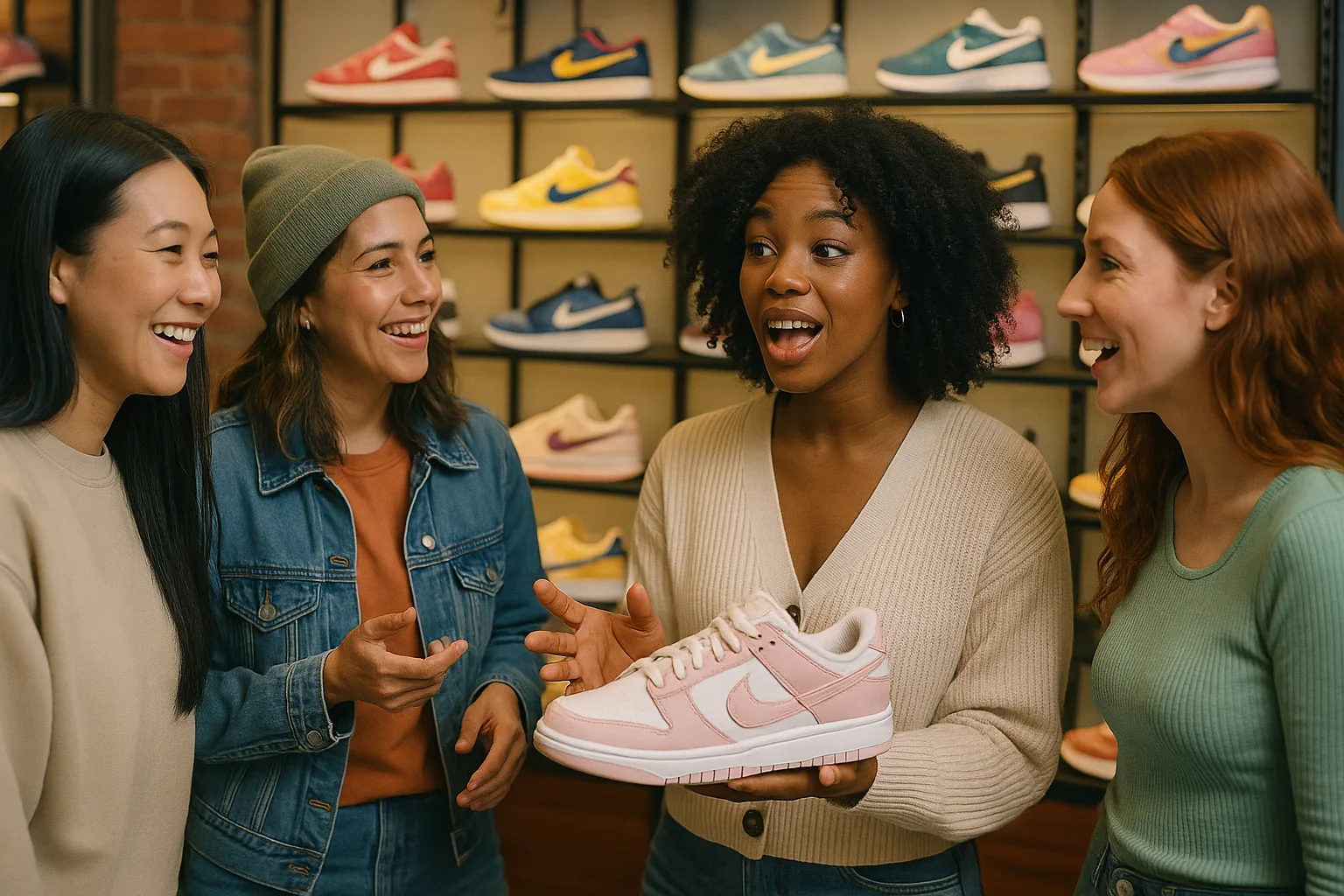
Let’s start with what the data says. Jordan Brand increased its dedicated women’s-only SKUs by 34% from 2025 to 2026, stacking its calendar with colorways that land in sneaker coverage month after month. Nike has pushed explicitly designed-for-her product into directional, fashion-forward territory — and women’s footwear now accounts for roughly 24% of Nike’s total sneaker revenue, up from 19% two years ago. ASICS rolled out the [BLOOMSTRIDE through its free OneASICS membership program](https://www.asics.com/us/en-us/mk/oneasics), developing it specifically for a more tailored women’s fit in three carefully chosen colorways. Early sell-through rates on the BLOOMSTRIDE hit 87% within the first two weeks — a figure that outpaced ASICS’ own projections by double digits.
The market signal is unmistakable: women’s sizing isn’t a technical footnote anymore. It’s a strategic bet.
The volume is real. But volume alone doesn’t tell you whether women feel seen by these products, whether they’re buying out of excitement or settling because the men’s run didn’t come in their size, or whether the “women’s-exclusive” label is a genuine design philosophy or a marketing shortcut. Plenty of releases slap that tag on a shoe that’s functionally identical to a general release with a softer color story. Women notice. And when they notice, they don’t buy — they screenshot it, roast it in a group chat, and move on.
What the numbers can’t capture is the shift in intention. The most compelling her-first drops arriving this year aren’t just sized differently. They’re shaped differently. They reference different traditions. They start from a fundamentally different question: not “What sport does this shoe serve?” but “What identity does this shoe express?”
When a Sneaker Becomes a Sculpture
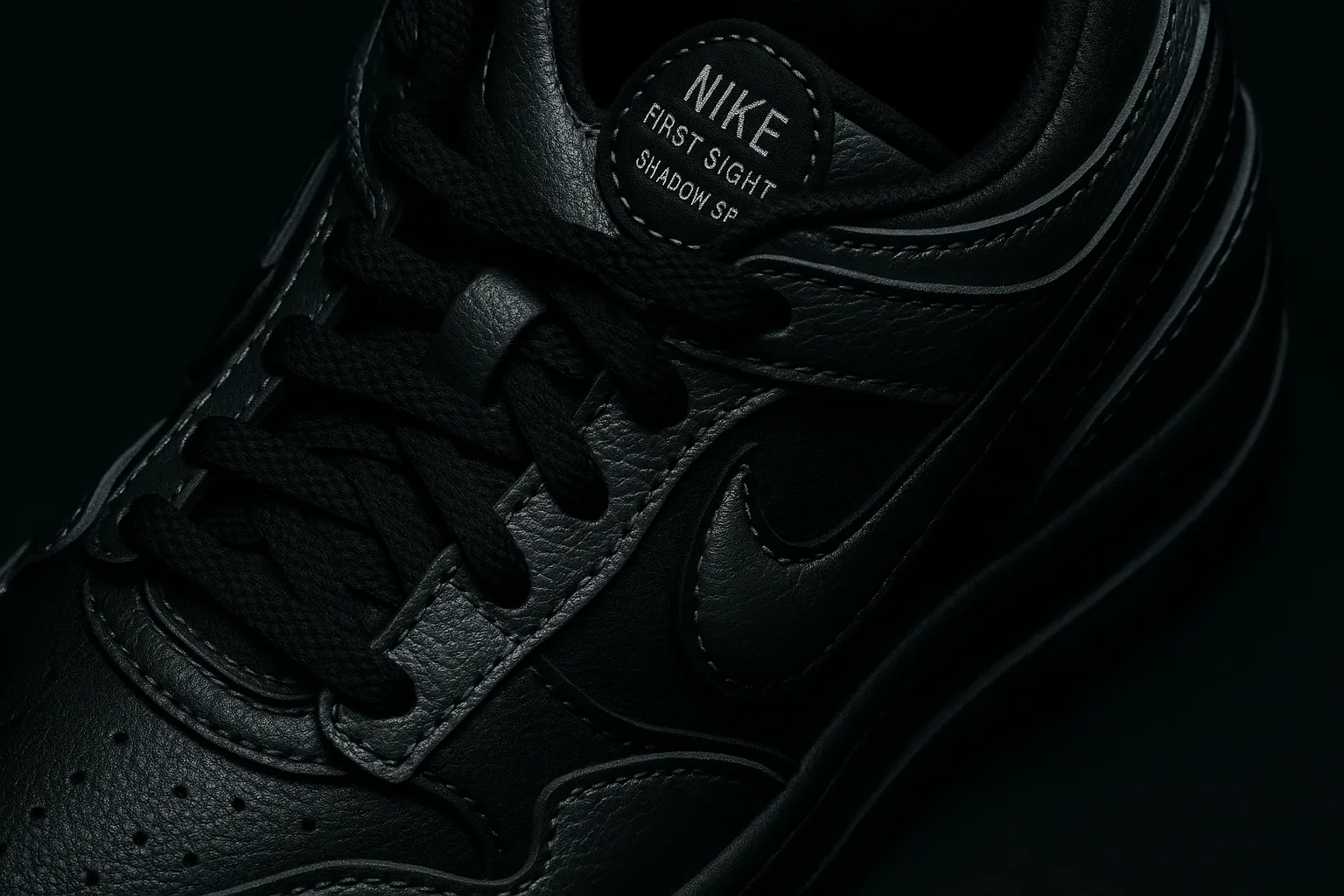
Nike’s Women’s [First Sight Shadow SP](https://www.nike.com), arriving August 15 in “Black” and “Metallic Silver” colorways, might be the clearest example of this philosophical pivot. This isn’t a retro reissue with a gender-specific twist. It’s a sculptural, layered silhouette that treats the sneaker as an architectural object. The stacked panels, the deliberate asymmetry, the way light catches the metallic finish at unexpected angles — it’s designed to be looked at from every direction, not just from a side-profile product shot.
The shoe is positioned squarely in Nike’s fashion-forward lane, and that positioning matters. It signals that Nike isn’t just acknowledging women as sneaker consumers but is investing in product that couldn’t exist in the men’s line without losing its entire identity. The First Sight Shadow SP doesn’t make sense as a unisex offering. Its proportions, its references, its silhouette logic — they emerge from a design process that started with women, not one that ended with them as an afterthought.
Whether it sells is another question entirely. Sculptural sneakers have a mixed track record at retail. They photograph beautifully. They dominate editorial spreads. Stylists pull them for shoots because they create visual tension against tailored trousers or flowing skirts. But the woman standing in a store, weighing $180 against her actual wardrobe, sometimes reaches for the shoe that does more with less drama. The First Sight Shadow SP will be a litmus test: can a sneaker that’s explicitly designed as a fashion object earn the same loyalty as a retro icon that just happens to look good with everything?
Simone Rocha and the Case for Radical Collaboration
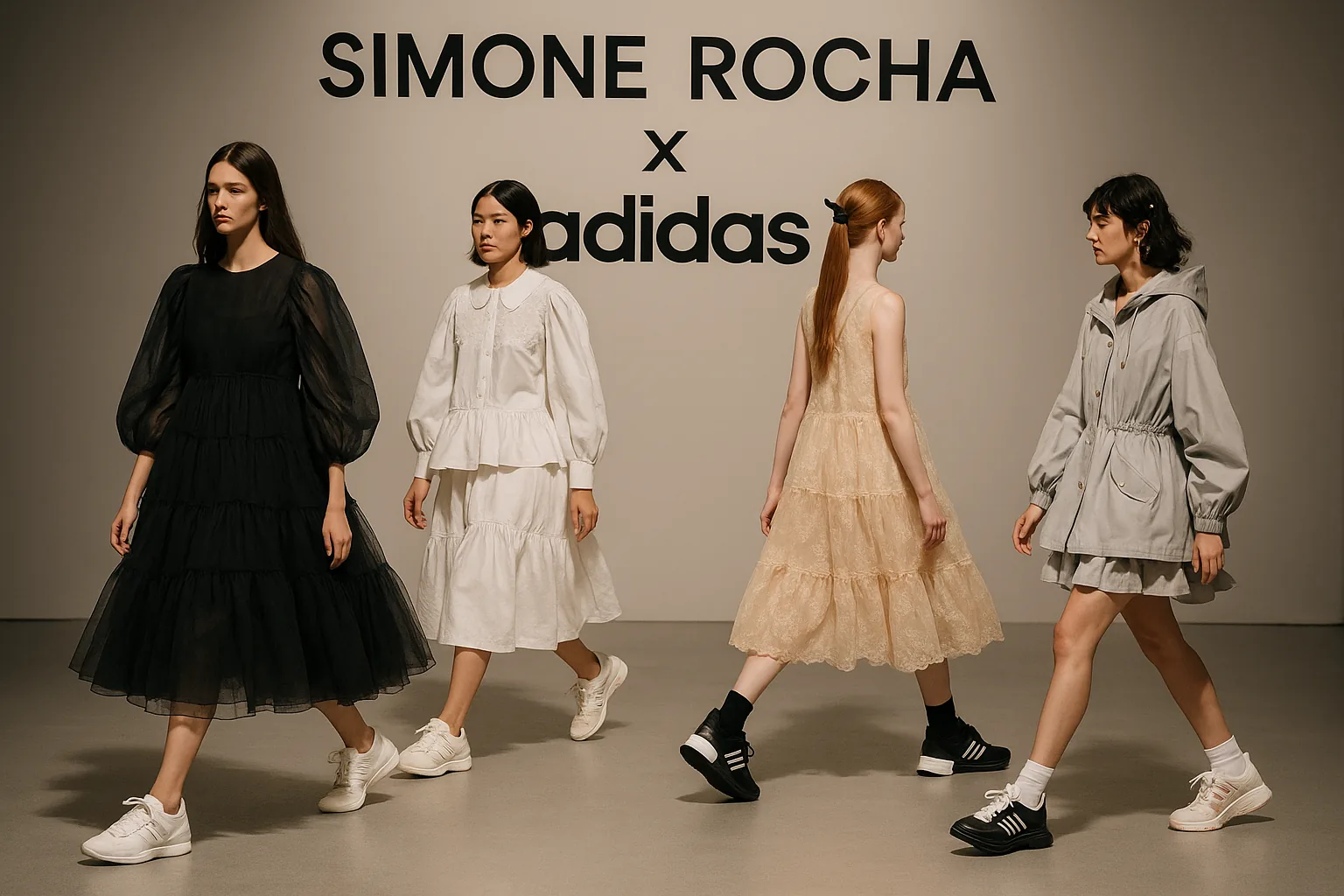
If the Nike offering represents a brand designing for women internally, the Simone Rocha x adidas collection represents what happens when a woman designer takes the reins entirely. Dropping September 10, the collection spans five colorways across three silhouettes — all offered exclusively in women’s sizing: the Taekwondo Ballerina, the Japan Slip-On, and a Climacool wedge. The creative direction comes from Rocha’s unmistakable aesthetic vocabulary — pearl-adorned, romantically subversive, unapologetically feminine without being decorative.
The Taekwondo Ballerina is the standout. It takes a martial-arts-coded silhouette and reworks it through the lens of ballet, fusing discipline with grace in a way that feels genuinely new rather than gimmicky. It’s a shoe that couldn’t have been born in a design room that didn’t center women’s movement, women’s bodies, women’s relationship to both power and softness. Rocha has spoken extensively about designing for the way women actually live, and this collection reflects that intention in every panel and stitch.
The Japan Slip-On speaks to the loafer-coded sneaker trend that’s been building steam throughout 2026. It’s not a casual afterthought. The slip-on silhouette has become a genuine category within women’s sneaker culture, driven by women who want the comfort and credibility of a sneaker without the lacing ritual. The Climacool wedge pushes even further, introducing a height element that most sneaker brands wouldn’t touch with a ten-foot pole. It’s polarizing. It’s also exactly the kind of risk that designed-for-her product should be taking.
Here’s what matters about this collaboration: Simone Rocha isn’t a celebrity lending her name to a colorway. She’s a designer with a fully realized aesthetic universe, and adidas gave her the creative authority to reshape their silhouettes rather than merely redecorate them. The result is product that could convert women who’ve never considered adidas and simultaneously thrill longtime collectors who crave something beyond the Samba cycle.
Soft Colorways and the Sneakers That Actually Move
Let’s talk about what sells. Because the gap between hype and commerce is wider in women’s sneakers than almost anywhere else in the industry, and understanding it requires paying attention to how women actually shop — not how brands assume they shop.
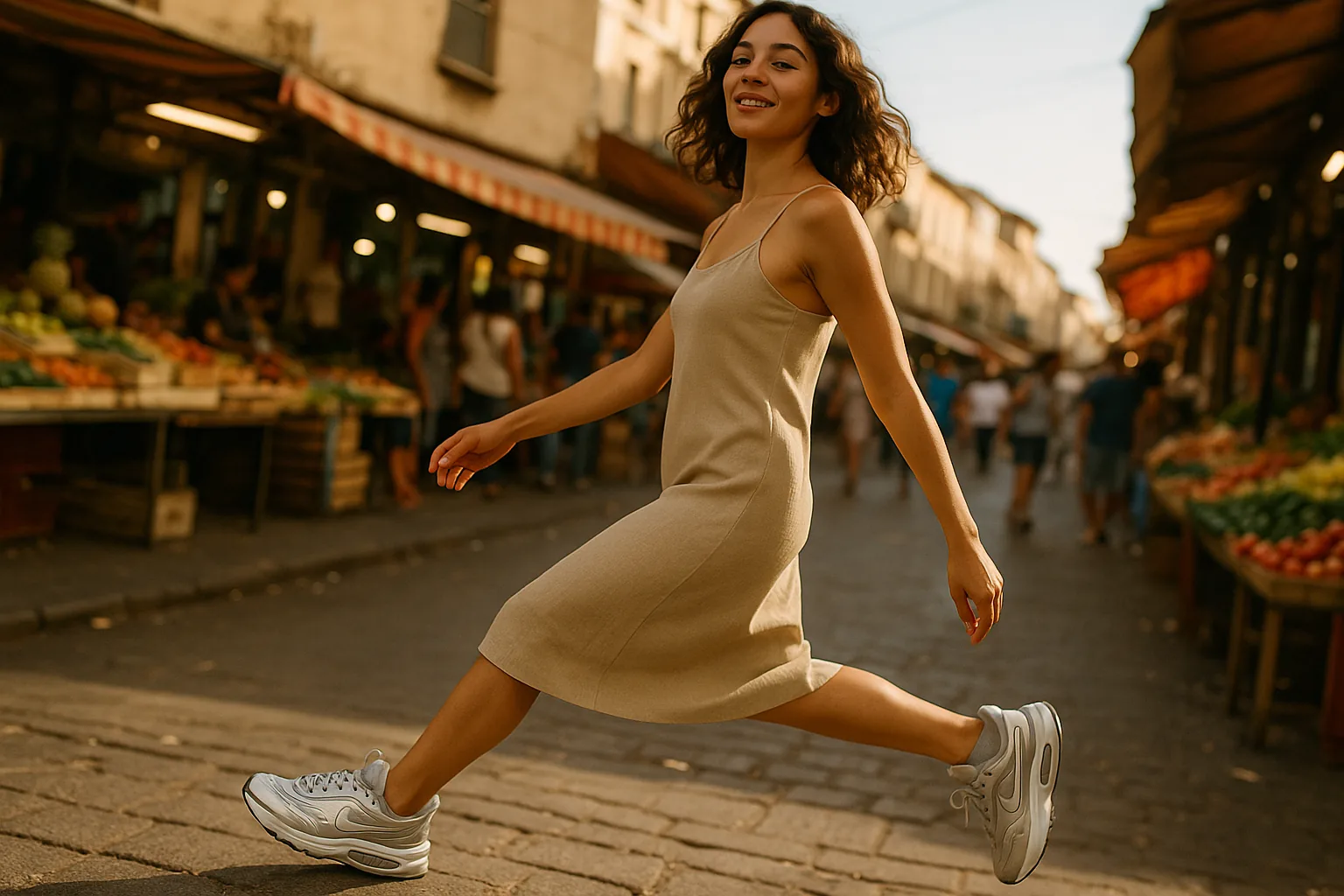
The [Nike Air Max Dolce in “Metallic Silver,”](https://www.nike.com/launch) set for U.S. release on September 10 via Nike SNKRS, Nike.com, and select retailers, sits in a fascinating sweet spot. It’s a women’s-only slip-on that codes as a loafer, built on Air Max cushioning that provides genuine all-day comfort. The metallic colorway taps into the chrome-and-silver trend that Dakota Johnson and other celebrity stylists have been championing throughout 2026. It’s a shoe that works in a photo but also works on a Tuesday afternoon when you’re running between meetings and don’t want to think about your feet.
This is the profile of a women’s sneaker that moves. Not the most avant-garde, not the most editorial, but the one that threads the needle between looking intentional and feeling effortless. The low-profile, running-inspired silhouettes that fashion coverage has noted women gravitating toward this year share this DNA. They’re shoes that say something without shouting. They complement an outfit without hijacking it. And they satisfy the collector’s desire for specificity — the “Metallic Silver” colorway is distinct enough to feel like a choice, not a compromise.
The “soft” colorways flooding the women’s market deserve scrutiny too. Dusty roses, muted sages, cream tones — they sell, undeniably. But they sell in part because brands have conditioned women to expect them, creating a self-reinforcing cycle where the only her-first options are soft and the only data brands have confirms that women buy soft. Meanwhile, the Jordan Brand women’s drops that generate the most heat online are often the boldest: saturated reds, stark monochromes, unexpected material choices. The demand is there. The supply isn’t always keeping up.
The Comfort Question Women Keep Asking
ASICS’ [BLOOMSTRIDE](https://www.asics.com/us/en-us/mk/oneasics) is worth pausing on, because it represents a different lane in the designed-for-her conversation — one rooted in performance and fit rather than aesthetics and identity. Released through the free OneASICS membership in three women-oriented colorways, the BLOOMSTRIDE was developed specifically for a more tailored fit, acknowledging that women’s feet aren’t just smaller versions of men’s feet but structurally different in ways that affect comfort, stability, and long-term wearability.
This matters because the identity-driven sneaker conversation sometimes obscures a fundamental reality: women still struggle to find sneakers that fit well. The industry has gotten much better at offering women’s sizing, but sizing and fit aren’t the same thing. A shoe can come in your size and still feel wrong — too wide in the heel, too narrow in the forefoot, built around a last that was designed for a different anatomy. The BLOOMSTRIDE’s emphasis on tailored fit is a quiet revolution, the kind that doesn’t generate Instagram engagement but earns fierce loyalty from women who’ve spent years compromising.
The intersection of these two threads — identity and comfort — is where the most compelling women’s sneakers of 2026 live. The drops that succeed aren’t just beautiful and aren’t just functional. They’re both. They let a woman express who she is while also feeling like the shoe was built for her specific body.
Celebrity Styling Still Sets the Tone, for Better or Worse
Dakota Johnson has been cited repeatedly as a key face of Nike V2K styling in 2026, and her influence on the women’s sneaker conversation is significant. She wears sneakers the way many women want to wear them: casually, confidently, as part of an ensemble that doesn’t center the shoe as a statement piece but lets it exist as a natural extension of personal style. The metallic finishes, the Mary Jane-inspired silhouettes, the low-profile runners — they all map to a celebrity styling playbook that’s been gradually reshaping what “sneaker style” means for women.
But here’s the tension. Celebrity influence in women’s sneakers operates differently than it does in men’s. When a male celebrity wears a sneaker, the conversation is usually about the shoe. When a female celebrity wears one, the conversation is often about the outfit, the occasion, the “unexpected” choice to pair sneakers with a dress — as if women wearing comfortable shoes is still surprising in 2026. This framing diminishes the sneaker itself and reduces women’s styling choices to novelty rather than expertise.
The women who are actually moving the conversation forward aren’t on red carpets. They’re creators and collectors who’ve built followings by speaking with specificity about materials, silhouettes, colorways, and fit. Take Reese Blutstein (@double3xposure), whose styling videos on the V2K runner drove a measurable spike in search traffic — not because she’s famous, but because she showed the shoe in context, on her terms, without pretending it was something it wasn’t. Or Danie Richie, whose TikTok breakdowns of women’s Jordan drops have become required viewing for collectors who want honest takes on leather quality and toebox shape before they commit.
That kind of authority doesn’t come from a brand deal. It comes from showing up, pair after pair, and earning trust. Short sentence. Long credentials.
The Gap Between Buying Power and Cultural Authority
Here’s a reality that should bother everyone: in 2026, coverage still frames “women sneakerheads” as a distinct category requiring explanation. The very phrase implies an exception — that the baseline sneakerhead is someone else and women are a subcategory. This framing persists even as women’s buying power in the sneaker market continues to grow, even as her-first releases multiply across every major brand, even as the most innovative design work in the industry is happening in women’s product.
The gap between women’s economic influence and their cultural authority in sneaker spaces is the story beneath every story we’ve discussed here. The Simone Rocha collaboration is extraordinary, but it’s also one of a relative handful of women-led collaborations at the highest level. The women’s-only Jordan drops are exciting, but the broader Jordan narrative still centers men’s stories, men’s nostalgia, men’s basketball history. The BLOOMSTRIDE’s tailored fit is a genuine innovation, but it took until 2026 for a major brand to treat women’s foot anatomy as worthy of dedicated R&D attention.
This isn’t about gratitude for progress. It’s about being real about how much ground the industry still has to cover. Women don’t need to be grateful for shoes that fit. They don’t need to celebrate brands for finally designing product that starts with them rather than ending with them. They need to hold that standard as the baseline and push for what comes next.
Mismatched Panels and the Freedom to Be Unfinished
The mismatched-panel trend that’s surfacing in several 2026 women’s releases deserves its own moment, because it represents something subtle and significant. A shoe with intentionally mismatched panels — different materials on the left and right, asymmetric color blocking, deliberate visual disruption — communicates that perfection isn’t the point. It says the wearer chose something unexpected on purpose. It resists the matchy-matchy impulse that has historically dominated women’s fashion and, by extension, women’s sneakers.
This aesthetic connects to a broader movement in women’s style toward what you might call confident imperfection. It’s the same impulse that makes a woman cuff one pant leg higher than the other, or pair a structured blazer with a sneaker that has no business working with it — and make it work anyway. The mismatched panel isn’t a mistake. It’s a declaration of agency over one’s own look.
Whether this translates to sales depends entirely on execution. When the mismatch feels intentional and the rest of the shoe’s design supports the choice, women respond. When it feels like a gimmick layered onto an otherwise uninspired silhouette, they don’t. The collector’s eye is precise, and women who’ve been building sneaker rotations for years can spot the difference between a design risk and a design crutch in seconds.
What Comes Next Belongs to the Women Who Show Up
The fall 2026 calendar is stacked with drops that take genuine creative swings. The [First Sight Shadow SP](https://www.nike.com) arrives August 15. The [Simone Rocha x adidas collection](https://www.adidas.com) and the [Air Max Dolce “Metallic Silver”](https://www.nike.com/launch) both land September 10. [Jordan Brand’s women’s-only releases](https://www.nike.com/jordan) will continue rolling out throughout the season. Each one is an opportunity — not just to buy a shoe but to shape the conversation about what women’s sneakers should be.
But the most powerful thing happening in women’s sneaker culture right now isn’t happening at brand headquarters or on release calendars. It’s happening in specific, nameable places. It’s the Sole Women Collective Discord — 4,200 members strong, zero tolerance for resellers — where women share real-time fit pics and QC reports within hours of a drop. It’s the “Lace or Pass” series from Chicago-based creator Jess Gavigan, whose unboxing videos of every women’s Jordan release have turned her comment section into the most honest fit-feedback forum on the internet. It’s Kith Women’s pop-up during New York Fashion Week last season, where the line wrapped the block not because of a celebrity appearance but because the styling bar let women try pairs with their own clothes, in their own size, before committing a dollar.
These aren’t abstract gestures toward “community.” They’re women building infrastructure that brands haven’t built for them. Gavigan’s audience trusts her because she returned the AJ1 “Rose Gold” on camera and explained exactly why the heel collar was wrong for narrow ankles. The Sole Women Collective’s mods verify every member to keep the space focused on wearing, not flipping. Kith’s activation worked because it treated women as decision-makers, not foot traffic.
That grassroots authority is what makes the women’s sneaker space feel alive in a way the broader market sometimes doesn’t. It’s specific. It’s critical. It’s generous with knowledge and ruthless about quality. The brands that understand this will keep earning women’s dollars. The brands that treat women’s-exclusive product as a box to check will keep watching their most innovative releases sit on shelves while the women they were designed for find something better — designed by someone who actually asked them what they wanted.
So try the shoe on. Not just in photos — on your actual foot, with your actual wardrobe, on your actual day. That’s where the truth of a sneaker lives. And right now, the truth is that women’s sneakers have never been this interesting, this varied, or this ripe for you to claim as your own territory. The only question left is which ones you’ll add to the rotation — and which ones you’ll let the algorithm forget.