Beyond Pink: When Sneaker Marketing Fakes the Change
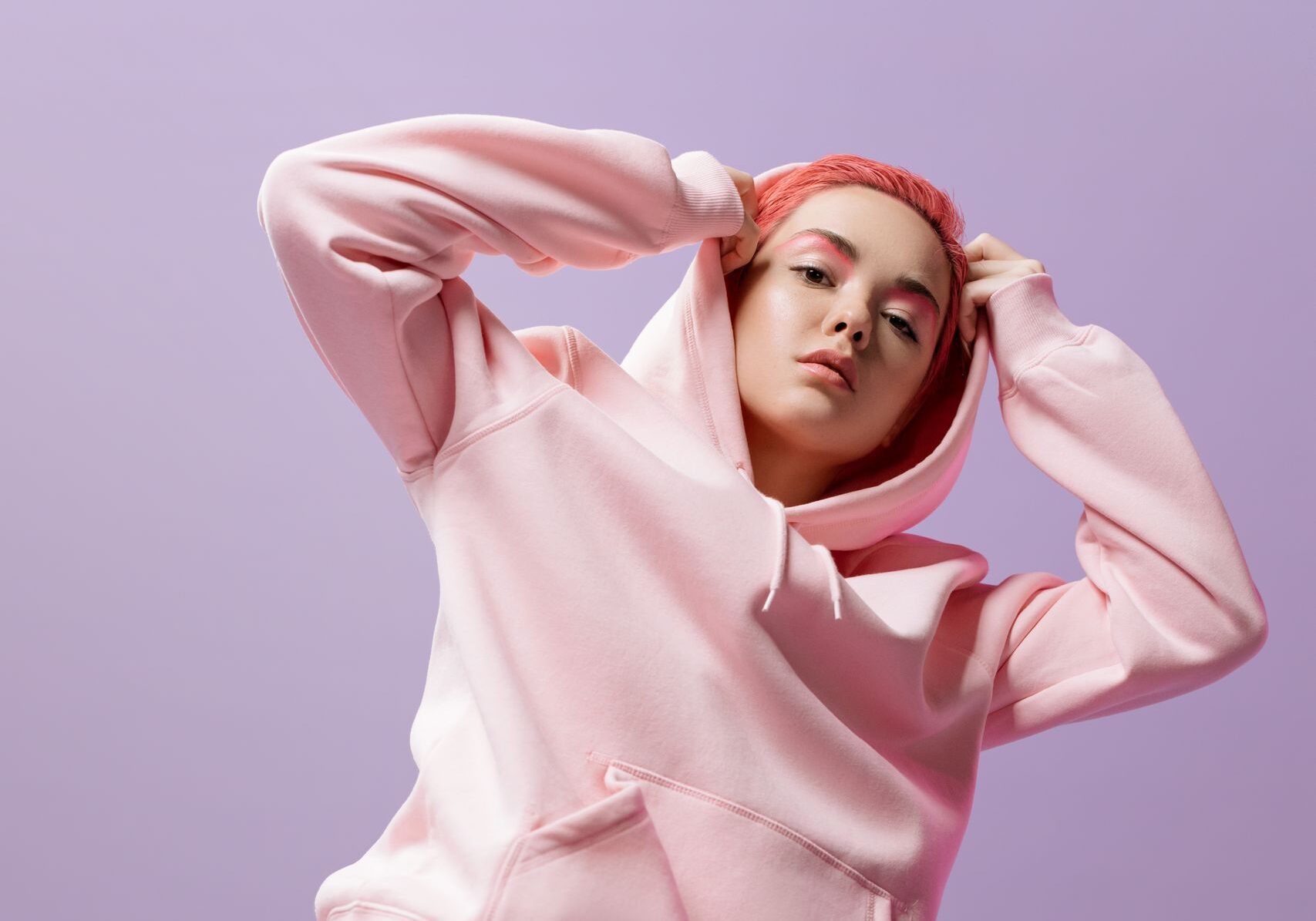
When Charlotte Lee posted a side-by-side photo on Instagram last November, she wasn’t trying to start a fight. The Portland-based sneaker collector and creative consultant—known in the community as @solearchive—had simply laid two shoes next to each other on her kitchen counter: a men’s Air Max 90 in Infrared and its women’s counterpart, released the same week in a colorway Nike called “Valentine’s Crush.” Same silhouette. Same tooling. One got a legacy name rooted in thirty-plus years of cultural weight. The other got a greeting card. Charlotte’s caption was three words: “This is the story.” The post pulled in over forty thousand likes and hundreds of comments from women who’d been feeling the same friction for years—that sneaker brands had learned to say the right things about women in their campaigns while still defaulting to the same tired playbook in the product itself.
That tension is what this installment of Collab Club is about. Not a single drop. Not a single brand. The pattern.
The New Vocabulary Hides an Old Formula
Something shifted in sneaker marketing around 2019. Brands started investing real money in campaigns featuring women athletes, women designers, women collectors. The ad copy evolved. Words like “bold,” “unapologetic,” and “fierce” replaced the old palette of soft pinks and florals—or at least sat alongside them. But if you looked past the campaign imagery and into the actual product strategy, the bones hadn’t moved much. Women’s exclusives were still routinely built on men’s lasts with scaled-down proportions. Colorways still leaned on gendered shorthand. Launch language still framed women’s releases as secondary events, even when the product was technically standalone.
The industry learned new words. It didn’t unlearn old habits. And women who’d been deep in sneaker culture for years started noticing the gap between what brands said and what brands shipped. The backlash didn’t arrive as a single viral moment—it accumulated, post by post, release by release, in group chats and subreddits and Discord servers where women trade notes on fit, access, and respect. Charlotte’s post was one signal. There have been hundreds of others.
What makes this moment different from past frustrations is specificity. Women aren’t just saying “do better.” They’re pointing at the SKU, naming the colorway, and asking why a women’s-exclusive Jordan 1 ships in a narrower size range than its men’s equivalent when women’s feet aren’t uniformly narrower. They’re asking why a women’s Dunk gets named “Pink Foam” when the men’s version of a nearly identical palette gets called “Fossil Stone.” They’re reading the press releases. They’re catching the tells.
Shrink It and Pink It Never Really Left
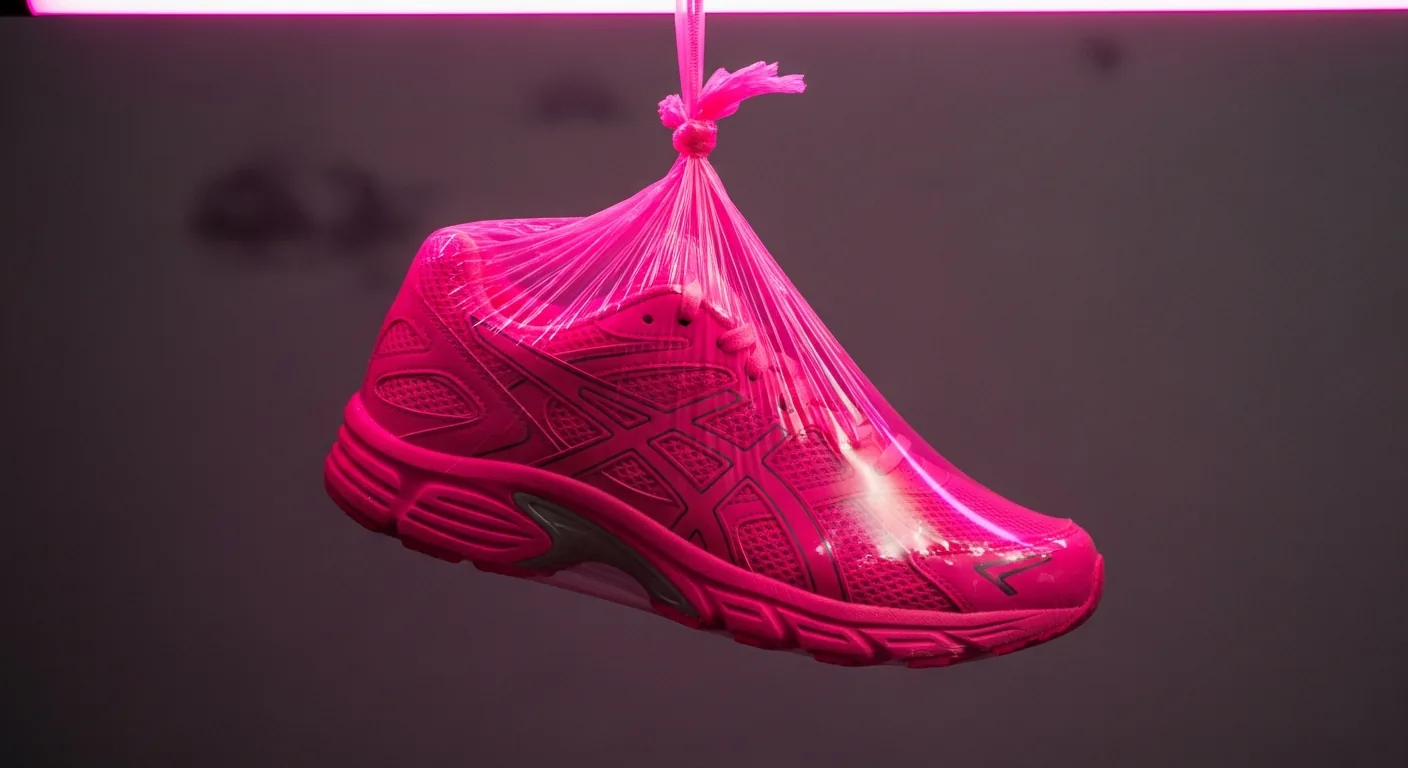
The phrase “shrink it and pink it” has been floating around the women’s product space since the early 2000s, originating in outdoor gear criticism before migrating to tech, automotive, and eventually sneakers. It describes the practice of taking a product designed around a male body and experience, reducing its dimensions, dipping it in a stereotypically feminine colorway, and calling it a women’s product. The sneaker industry didn’t invent this approach, but it perfected it.
For decades, women’s sneaker releases were literally graded-down men’s shoes—same upper pattern, same midsole geometry, same last shape, just smaller. The assumption was that a women’s foot is a men’s foot minus 1.5 sizes. That’s it. No independent biomechanical research. No dedicated fit testing with women’s foot scans. No consideration of how arch height, heel width, forefoot splay, or instep volume might differ across a population of women wearers. The industry treated “women’s” as a math problem, not a design problem.
Some of that has changed. Nike’s women’s-specific Air Max Dia, launched in 2019, was built on a women’s last from scratch. Adidas invested in women’s-specific Ultraboost models with modified heel counters and engineered knit patterns. New Balance has been quietly building women’s-first 327 and 530 colorways that sell out without borrowing a men’s narrative. These are real moves. But they coexist with releases that still follow the old logic—and the marketing language around them often sounds identical, making it hard for consumers to tell the difference between a genuinely women-first product and a repackaged men’s shoe wearing a new tagline.
That’s the core of the backlash. It’s not that women don’t want pink sneakers. Some do. Charlotte Lee owns a dozen pairs she describes as “aggressively pink.” The issue is when pink is the entire creative range offered, when it’s a substitute for original design thinking, when it signals that the product team spent fifteen minutes on the women’s brief after spending fifteen months on the men’s.
Naming Conventions Tell on the Whole Operation
One of the sharpest criticisms in the current backlash focuses on something most consumers might overlook: product names. In sneaker culture, names carry history and identity. The Air Jordan XI “Concord” references a place and a moment—the 1995 NBA season, Michael Jordan’s return, the shoe on his feet at the old Concord Arena. The Air Max 1 “Patta” carries a lineage of Amsterdam street culture and one of Europe’s most respected boutiques. Names mean something.
So what does it mean when women’s colorways consistently get names like “Barely Rose,” “Atmosphere,” “Pink Glaze,” “Soft Vision,” and “Cotton Candy”? What does it communicate when men’s versions of similar tones get called “Particle Grey” or “Light Bone” or “Fossil”? The aesthetic difference is sometimes negligible—a nearly identical off-white or pastel tone—but the naming tells you who the brand imagines wearing the shoe. One name sounds like it belongs in a materials science lab. The other sounds like it belongs in a dessert case.
Sneaker journalist and culture writer Jasmine Sadler has been tracking this pattern for years, documenting naming conventions across Nike, Adidas, and Jordan Brand releases on her platform. Her analysis, published in a 2023 thread that circulated widely through sneaker media, found that women’s exclusive colorways were roughly three times more likely to reference food, flowers, or abstract softness than men’s exclusives in the same silhouette family. “It’s not about whether a name is pretty,” Sadler wrote. “It’s about whether a name is serious. Men’s shoes get mythology. Women’s shoes get pastry.”
That observation cuts deep because it reveals something about how brands conceptualize their women’s consumer. Not as a sneakerhead with cultural knowledge and collecting instincts, but as someone who needs to be softened into the purchase. The name is the first piece of marketing a shoe wears, and when the name says “this is delicate, this is sweet, this is feminine in the most conventional possible sense,” it sets a ceiling on who the shoe is for and how it’s perceived in the broader culture.
Which Brands Are Actually Rewriting the Script
Criticism is necessary. But so is credit. And in tracking who’s genuinely changing the story versus who’s repackaging the old one, a few real shifts stand out.
New Balance has arguably been the most consistent. Their collaborations with women like Aimé Leon Dore creative director Teddy Santis haven’t been women’s-exclusive, but the brand’s broader women’s strategy has centered on fit-first design and colorways that don’t lean on gendered naming. The 530 and 9060 in women’s sizing have launched in tones like “Sea Salt” and “Castlerock”—names from the same palette vocabulary used across the full line. Small thing. Meaningful signal.
Nike’s progress is more uneven—which makes sense, given the sheer volume of product they move. The brand’s “Unlocked” membership tier has given women earlier access to certain drops, and the SNKRS app has started featuring women’s sizing launches with the same editorial weight as men’s. But naming and colorway conventions still fluctuate wildly depending on which product team is leading the brief. The women’s Dunk Low in “Rose Whisper” dropped in March 2024 alongside a men’s Dunk Low in “Light Orewood Brown.” Nearly the same shoe. Wildly different framing.
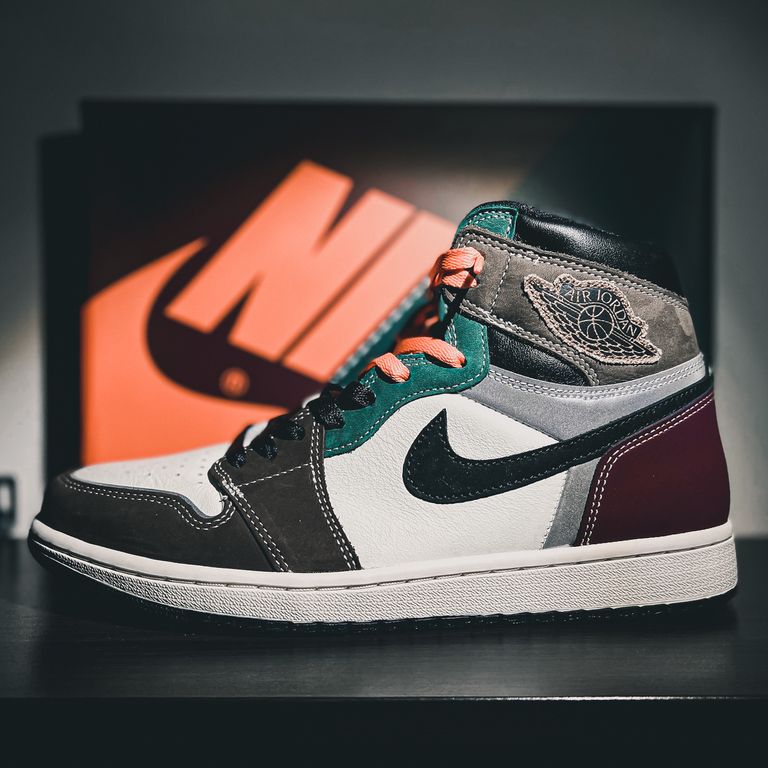
Jordan Brand deserves particular scrutiny because it sits at the intersection of the industry’s biggest cultural legacy and its most visible gender gaps. The brand has made real investments in women’s athletes—Breanna Stewart’s signature line, for instance, is a genuine women’s-first performance product with its own design language. But Jordan Brand’s lifestyle releases, which drive the bulk of its cultural conversation, still routinely treat women’s colorways as decorative riffs on men’s stories rather than original statements. When the women’s Air Jordan 1 “Satin Bred” launched, it was celebrated—but its identity was still derivative, a material remix of a men’s icon rather than something that stood on its own mythology.
Adidas, post-Yeezy, has been in a different kind of rebuilding mode, but their Samba and Gazelle resurgence has been fascinating to watch from a gender-marketing perspective. Both silhouettes have exploded with women consumers, and Adidas’s marketing—at least on social channels—has leaned into styling-forward, women-led content without drowning it in language about breaking barriers or shattering ceilings. Sometimes the most respectful thing a brand can do is just show the shoe on a woman’s foot and let it speak. No manifesto required.
Women Aren’t Waiting for Permission to Change the Story
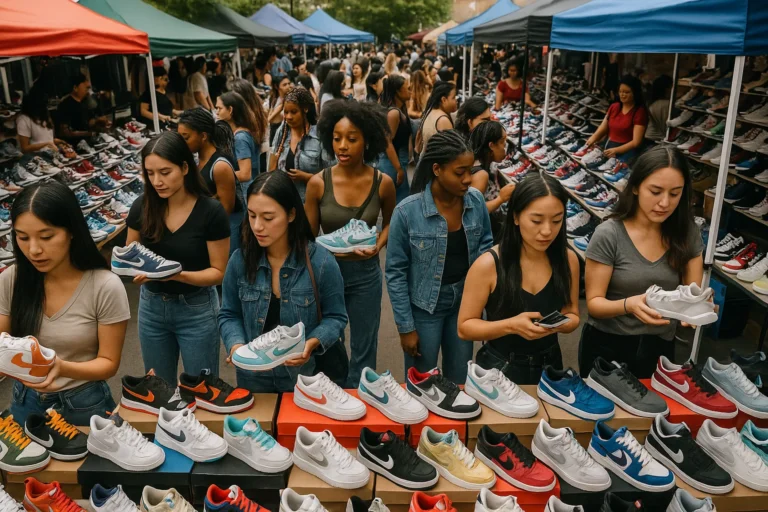
The most important shift isn’t happening inside brand headquarters. It’s happening in the spaces women have built for themselves. Communities like Kicks 4 the Girls, founded by Natalie Roberson, have created physical and digital infrastructure for women sneakerheads that doesn’t depend on brand validation. Panels at ComplexCon and SneakerCon increasingly feature women speakers not as “the women’s perspective” tokens but as authorities on design, resale, marketing, and cultural history. Women-led Instagram accounts and TikTok creators are building audiences that rival legacy sneaker media outlets—and they’re doing it with a critical eye that holds brands accountable in real time.
The backlash isn’t negativity. It’s literacy. Women in sneaker culture have developed a fluency in reading marketing language, sizing strategy, and product design that lets them distinguish between genuine investment and performance. When a brand launches a women’s exclusive with a dedicated last, original colorway, and naming that respects the wearer’s intelligence, the community notices and rewards it with attention, sell-throughs, and organic content. When a brand slaps “her” in the campaign copy and ships a scaled-down men’s shoe in mauve, the community notices that too—and says so, loudly, with receipts.
This is the market correction the industry has been slow to recognize. Women now represent over 40 percent of the global sneaker market by some estimates, and their influence extends well beyond their direct purchasing. Women drive styling trends that cross gender lines—the Adidas Samba revival, the New Balance 530 wave, the resurgence of ballet-flat-adjacent silhouettes all accelerated through women’s fashion communities before becoming mainstream. Ignoring this influence, or acknowledging it only in ad copy while maintaining the same old product logic, is a business risk brands can’t afford much longer.
The Real Test Is What Ships, Not What’s Said
Charlotte Lee has kept posting. Her side-by-side format has become a recurring series on her feed—she calls it “Name That Shoe,” and it’s become a community game where followers guess which colorway is the men’s release and which is the women’s based on the name alone. The answers are often indistinguishable, which is exactly the point. When you can’t tell which shoe is “for women” based on looking at it, but you can tell instantly based on whether it’s named after a mineral or a macaron, the marketing has outrun the product.
The test for every brand in this next cycle is simple. Not what the campaign says. Not what the press release promises. What ships. What last is it built on? What size range does it cover? What’s it called? Who designed it? Who was in the room when the brief was written? These are the questions women in sneaker culture are asking now—not because they want to be difficult, but because they’ve been paying closer attention than anyone gave them credit for.
The best brands will catch up. The rest will keep learning new vocabulary for the same old shoe.