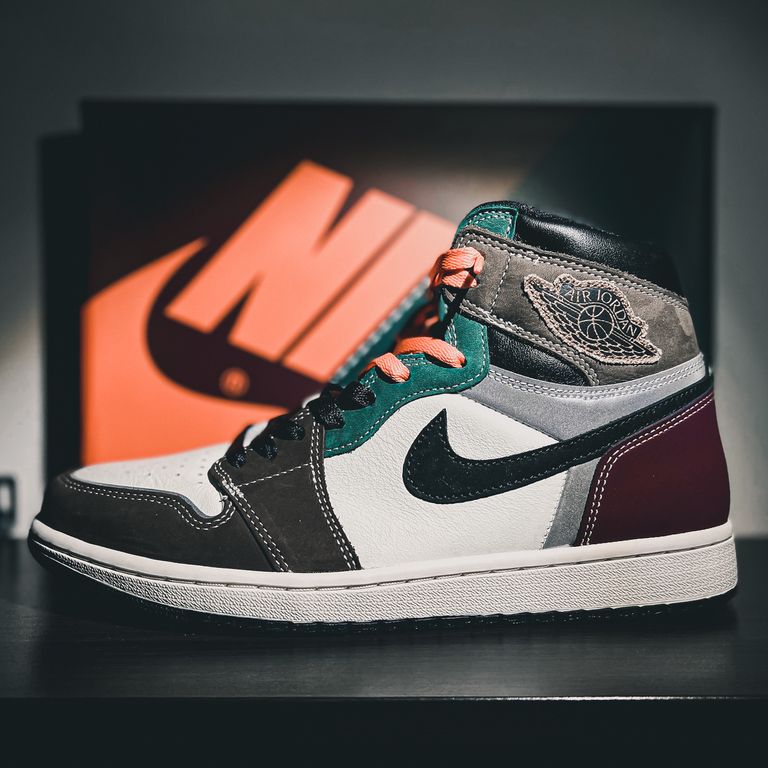
Sneaker Drops: Designed for Her or Just Shrunk?

Women don’t need a smaller version of something that was never made for them in the first place. That’s the tension sitting at the center of every women’s-exclusive sneaker drop landing on shelves right now, and it’s a tension that most brands would rather you not think too hard about. But we’re thinking about it.
We’re examining every midsole density, every narrowed last, every pastel colorway slapped onto an existing silhouette and marketed as “for her.” Because in 2025, the women’s sneaker market isn’t a subcategory anymore—it’s a proving ground. And what brands prove there tells us everything about whether they see women as a consumer base worth engineering for, or just a demographic worth selling to.
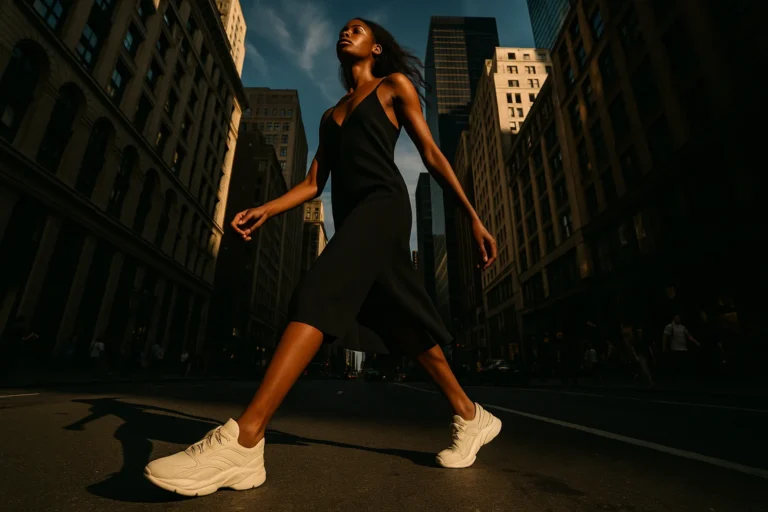
The stakes have never been higher. Women’s trainers now outsell high heels in the UK, a stat that would’ve sounded absurd a decade ago but today reads as a simple reflection of how women actually live. Sneakers aren’t the casual alternative anymore. They’re the anchor of the wardrobe, the statement piece, the thing you plan the outfit around. When a shift that seismic is underway, the question isn’t whether brands should be making women’s-exclusive product. It’s whether the product they’re making is worthy of the moment.
The Shrink-It-and-Pink-It Legacy Runs Deep
To understand why so many women’s drops still feel like afterthoughts, you have to look at where the industry came from. For decades, the sneaker world operated on a brutally simple formula: design for men, scale down for women. The practice was so widespread it earned its own derisive shorthand—shrink it and pink it. Take a men’s runner or basketball shoe, reduce the size range, swap in a lavender or coral colorway, and call it a women’s release. Nobody reimagined the fit. Nobody recalibrated the cushioning for different weight distribution. The width and volume of the last—the foot-shaped mold around which every shoe is built—stayed fundamentally the same, just numerically smaller.
This wasn’t laziness, exactly. It was economics. Building a women’s-specific last requires separate tooling, separate development timelines, and separate testing. For brands that viewed women’s sneakers as a fraction of their revenue, that investment didn’t pencil out. So women got shoes that pinched in the midfoot, gaped at the heel, and provided cushioning tuned for a 180-pound body on a foot that might belong to someone sixty pounds lighter. Consider Nike’s original approach to the Air Monarch, a shoe built so squarely around a men’s default that the “women’s version” was nothing more than a size-scaled replica with zero accommodation for anatomical difference. The industry wasn’t designing for women. It was extracting from them.
The early cracks in that model appeared in performance running. Brands like Brooks and New Balance started investing in women’s-specific biomechanical research in the early 2000s, recognizing that women’s feet aren’t just smaller but structurally different, with a higher arch-to-length ratio, a narrower heel relative to the forefoot, and different pressure distribution patterns during the gait cycle. Brooks introduced gender-specific crash pads and midsole densities. New Balance built women’s-specific lasts that accounted for these proportional differences. It was quiet, technical work, and it happened almost entirely in performance categories. Lifestyle sneakers? Still shrunk. Still pink.
How Women’s Sneaker Demand Reshaped the Market
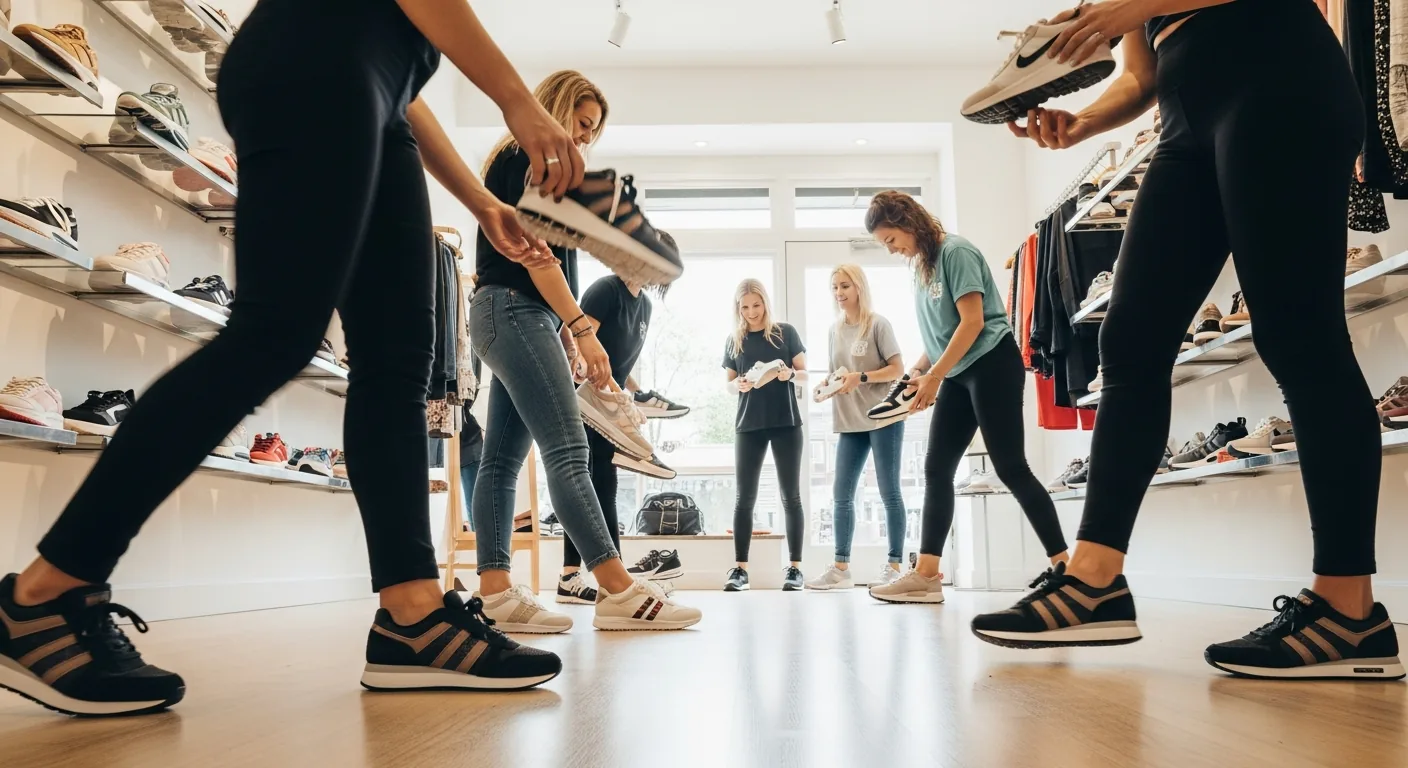
The shift that’s brought us to this moment didn’t come from inside the industry. It came from women themselves. Over the past five years, the women’s sneaker community has grown from a passionate subculture into a market-moving force, driven by a convergence of comfort, identity, and refusal to settle. When women started styling Air Force 1s and New Balance 550s as wardrobe staples rather than gym shoes, they weren’t following a trend the industry had set. They were creating one. And the data backed it up: the women’s sneaker market has seen consistent year-over-year growth that outpaces the men’s market in several key categories.
What makes this wave different from previous moments of women’s sneaker visibility is its depth. This isn’t a single collaboration or a celebrity endorsement driving a spike. It’s a structural change in how women relate to footwear. Sneakers have become instruments of personal expression, artifacts that communicate identity, taste, and belonging. The Brooklyn Museum’s landmark sneaker exhibition cemented what the community already knew: sneakers are legitimate objects worthy of institutional attention and critical study. And women aren’t footnotes in that story. They’re authors of it.
The market signal is unmistakable. When trainers outsell heels, when sneaker resale platforms report surging women’s transactions, when Instagram and TikTok are flooded with women styling heat in ways that make editorial fashion pages look timid, the demand isn’t theoretical. It’s measurable, it’s growing, and it’s reshaping what brands have to deliver. The question is whether the supply side is keeping up with the sophistication of the demand.
Which Brands Are Actually Designing for Women
Let’s get specific, because specificity is where the truth lives. Not every women’s-exclusive drop is created equal, and the gap between brands that are genuinely investing in women’s product and brands that are performing investment is widening fast.
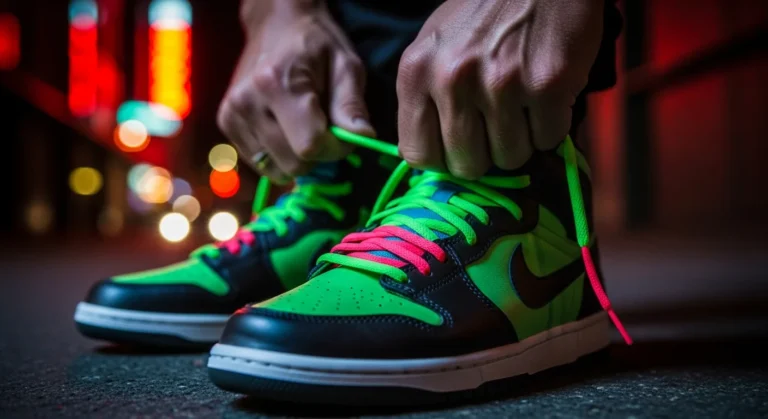
Nike’s recent track record is a study in contradictions. The Swoosh deserves credit for silhouettes like the Nike V2K, which launched in women’s-exclusive colorways throughout 2024 and into 2025 with fits that account for a narrower heel and a more tapered toebox. Nike designed the V2K’s chunky, Y2K-inspired aesthetic with women’s styling preferences in mind, not retrofitted from a men’s shelf. But then you look at releases where Nike takes a men’s Dunk Low, offers it in “Sail” and “Rose Whisper,” and calls it a women’s exclusive without meaningfully altering the last or the cushioning stack. Same shoe. Prettier name. That’s not design. That’s marketing.
New Balance has arguably been the most consistent player in this space. The 530 and the 9060 have both seen women’s-exclusive colorways—like the 9060 “Sea Salt” and “Castlerock” drops—that sold out rapidly, and the brand’s commitment to women’s-specific lasts in its lifestyle categories gives those releases a fit distinction that goes beyond color. When a woman laces up a New Balance 9060 in a women’s size 8, she’s wearing a shoe that was lasted differently than a men’s size 6.5. That difference matters. It’s the difference between a shoe that fits and a shoe that belongs.
Adidas has leaned into collaborations as its women’s strategy, with partnerships like the Adidas Samba “Colleen” designed with creative director Colleen Allen and the brand’s work with designers who center women’s perspectives. But collaboration-driven strategies have a shelf-life problem: they generate heat for a moment without necessarily changing what’s happening in the mainline product. If the women’s Samba OG that sits on the shelf year-round is still a scaled-down men’s last, the collabs are a beautiful distraction.
The Women Setting the Standard, Not Following It
The most important voices in this conversation aren’t sitting in corporate design studios, or at least, they didn’t start there. Women across the sneaker ecosystem are doing the work of articulating what “designed for women” actually means, and they’re doing it with a specificity that puts many brand briefs to shame.
Aleali May has been pushing this conversation forward since her Jordan collaborations first dropped, blending men’s and women’s sizing in ways that challenged the binary the industry had always relied on. Her Air Jordan 14 Low “Fortune,” released in women’s sizing, wasn’t just a color exercise. It was a statement about who gets to claim a silhouette with deep basketball roots. Melody Ehsani’s ongoing work with Reebok and Jordan Brand has similarly insisted that women’s product should be additive, not derivative. Her designs don’t start with a men’s shoe and subtract. They start with a vision and build.
On the content and community side, women like Gia Seo of Sneaker Girl Gang and the editors at platforms like Kicks & She are reshaping what sneaker media covers and how. When women-led media insists on reviewing women’s-exclusive drops with the same rigor applied to men’s releases—evaluating fit, materials, cushioning response, and design intent—it raises the bar for what brands can get away with. A half-hearted “women’s exclusive” that’s just a men’s shoe in a smaller size range gets called out. Loudly. Publicly. And the brands hear it, because the women’s market is now too valuable to lose.
Vashtie Kola’s influence also can’t be overlooked. As one of the first women to design a Jordan—the Air Jordan II Retro in 2010, dressed in Lavender—she opened a door that the industry has been slow to walk through fully. But the door is open, and the women walking through it now aren’t asking for permission. They’re demanding parity of process, not just parity of shelf space.
What “Designed for Women” Should Actually Mean
So what separates a genuinely women’s-designed sneaker from a shrunk men’s pair with a better colorway? It comes down to three things: last, cushioning, and intent.
The last is everything. A women’s-specific last accounts for the proportional differences in women’s foot anatomy—the narrower heel, the slightly wider forefoot, the higher instep relative to foot length. When a brand uses a women’s-specific last, the shoe hugs differently. The heel doesn’t slip. The midfoot doesn’t gap. The toebox has room without looking oversized. It’s the kind of fit detail you can’t see in a product photo but can feel in the first five steps. Brands that invest in women’s-specific lasts—New Balance, Brooks, and increasingly Nike in select silhouettes—are doing the foundational work. Brands that scale down a men’s last are cutting corners where it matters most.
Cushioning matters more than most consumers realize. Women generally have lower body mass than men, which means a midsole tuned for a 180-pound wearer can feel overly stiff under a 130-pound wearer. The responsiveness changes. The energy return changes. The ride quality changes. Brands doing this well adjust foam densities and stack heights in women’s models. Brands not doing this well offer the same midsole setup in a smaller package, which means women aren’t getting the same performance experience even when they’re paying the same price.
Intent is the hardest to quantify but the easiest to feel. A shoe designed with women in mind from the concept stage looks different from a shoe adapted for women at the end of the development cycle. The colorways feel considered, not assigned. The materials are chosen for how women actually wear the shoe—with cropped trousers, with skirts, barefoot in summer—not just dropped into a seasonal palette. The proportions are balanced for a smaller foot without looking like a miniature. When intent is real, the product speaks for itself. When intent is absent, no amount of marketing copy can fill the gap.
Comfort as Currency in Women’s Sneakers
There’s a reason the stat about trainers outselling heels in the UK resonates so deeply. It’s not just about shoes. It’s about a wholesale rejection of the idea that women’s footwear should prioritize appearance over experience. For generations, the industry sold women discomfort as elegance: the pinched toe, the aching arch, the blister-prone heel. Sneakers represent a refusal of that bargain, and the brands that understand this are the ones winning.
Comfort has become its own form of currency. When a woman chooses an ASICS Gel-Kayano 14 in the “Simply Taupe” colorway over a pair of stilettos for a dinner out, she’s not dressing down. She’s dressing on her own terms. The sneaker becomes a declaration: I’m here for the experience, not for your comfort with how I look. That philosophical shift is what makes the women’s sneaker market so fascinating right now. It’s not a trend. It’s a value system.
This is also why sustainability and material transparency matter disproportionately in the women’s market. Women consumers have consistently led demand for sustainable product across fashion categories, and sneakers are no exception. When Veja builds its Venturi model with ChromeFree leather and recycled mesh and markets it directly to women, it’s speaking a language the audience already fluently understands. When larger brands greenwash with vague “eco” claims while making no structural changes, women consumers notice and move on.
The Future of Women’s-Exclusive Sneaker Drops
Here’s where the story gets interesting. We’re at an inflection point, and the next two years will determine whether the women’s-exclusive drop becomes a genuine category of innovation or collapses into a marketing gimmick.
The optimistic case is compelling. More women are entering sneaker design, sneaker media, and sneaker retail than at any point in the community’s history. Women’s resale values are climbing, which signals to brands that the demand isn’t just broad but deep enough to sustain premium product. Institutions are treating sneakers as serious art and social artifacts, which elevates the entire conversation and makes it harder for brands to phone it in. And the community itself, through platforms, social media, and word of mouth, has become an accountability mechanism. Drop a lazy women’s exclusive in 2025 and watch the reviews roll in, honest and unsparing.
The cautionary case is just as real. Brands have a long history of treating women’s markets as trend-responsive rather than foundational. When women’s sneakers are hot, the investment flows. When the next growth category emerges, the investment can evaporate. If women’s-exclusive drops remain a seasonal marketing strategy rather than a year-round design commitment, the progress will be fragile. The infrastructure—women’s-specific lasts, dedicated design teams, women-led creative direction—has to become permanent, not project-based.
What gives me confidence is the women themselves. The collectors who can tell you the exact foam compound in their favorite midsole. The stylists who are building entire visual languages around women’s sneaker silhouettes. The newcomers who walked into their first sneaker store last month and already know they won’t settle for a scaled-down anything. This audience is too informed, too passionate, and too economically powerful to be ignored. And they’re not waiting for brands to catch up. They’re building the ecosystem they want to see, one pair at a time.
The test is simple, and it’s the same test it’s always been: are you designing for us, or are you designing at us? Women can tell the difference. They’ve always been able to tell the difference. The only thing that’s changed is that now, the industry can’t afford to get the answer wrong.