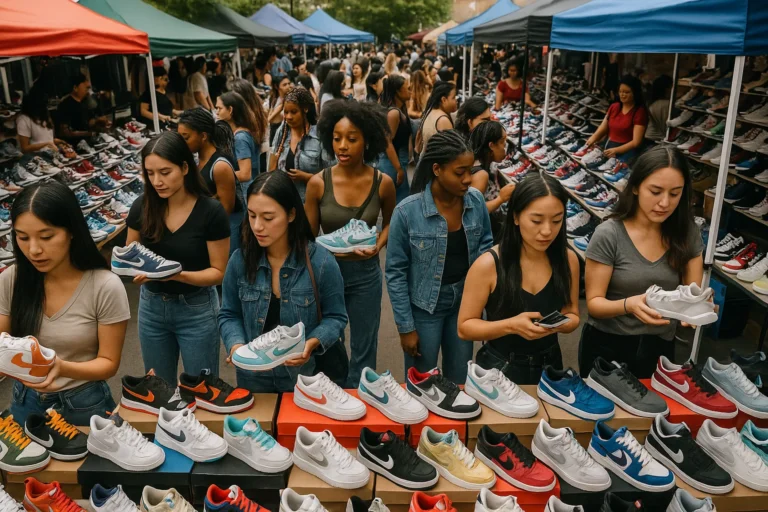
Local Meetups Are Forging Women’s Sneaker Power Networks
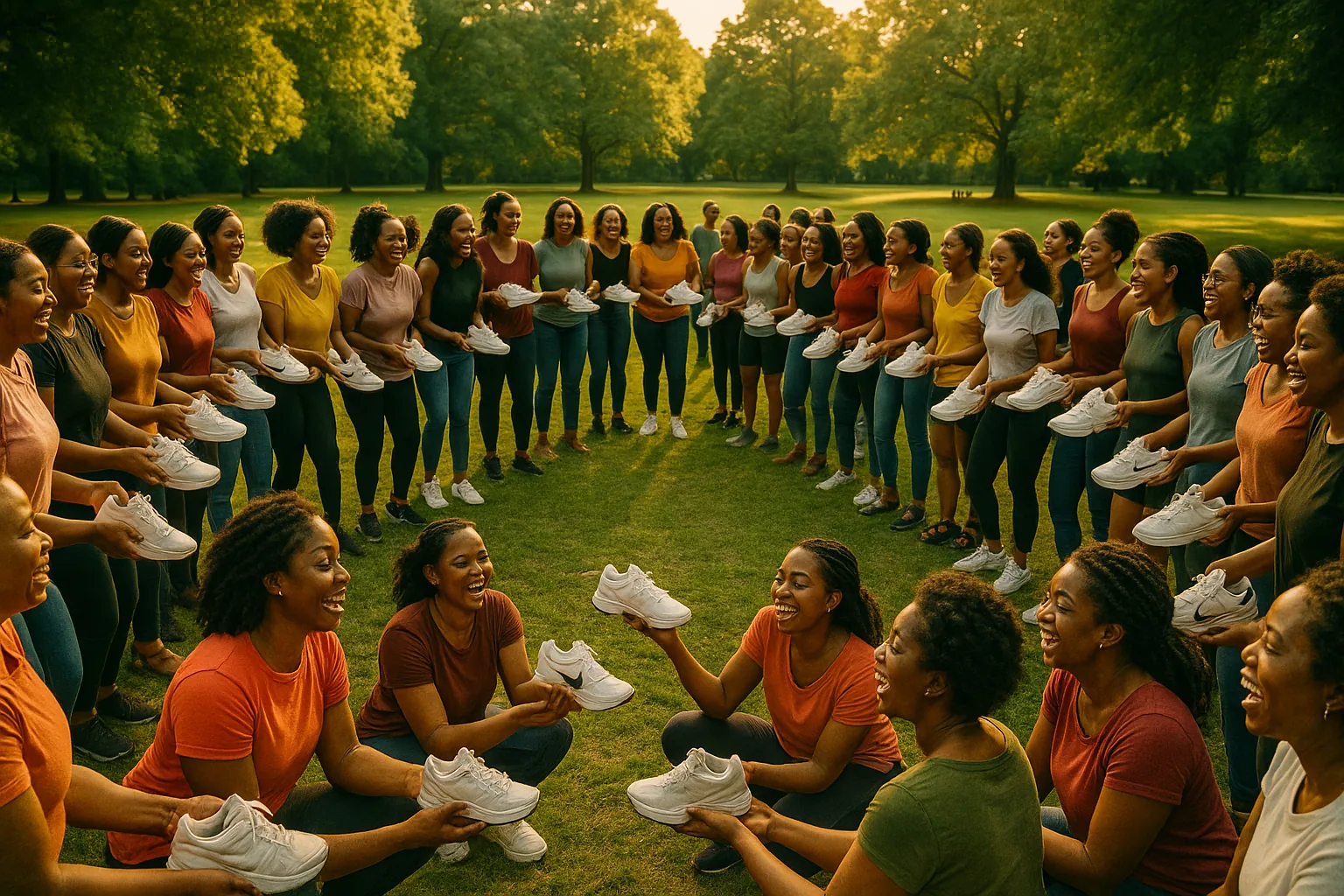
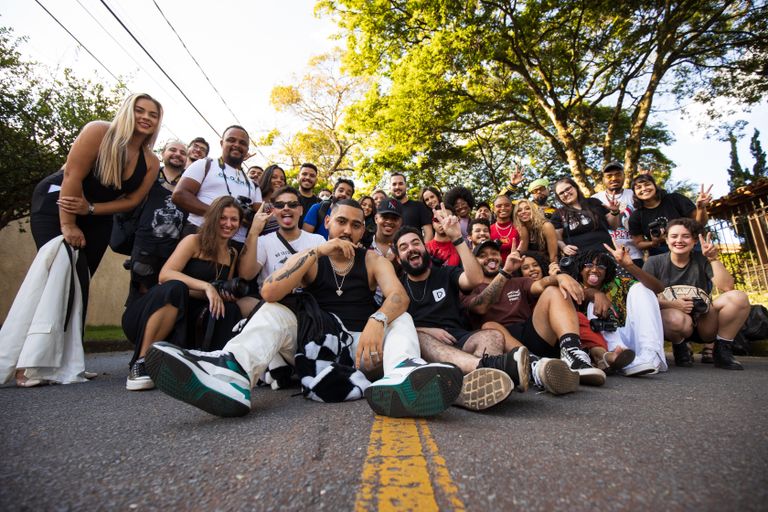
The most important thing happening in women’s sneaker culture right now isn’t a colorway drop or a celebrity collab—it’s thirty women standing in a circle in a park in Atlanta, passing around pairs and exchanging Instagram handles.
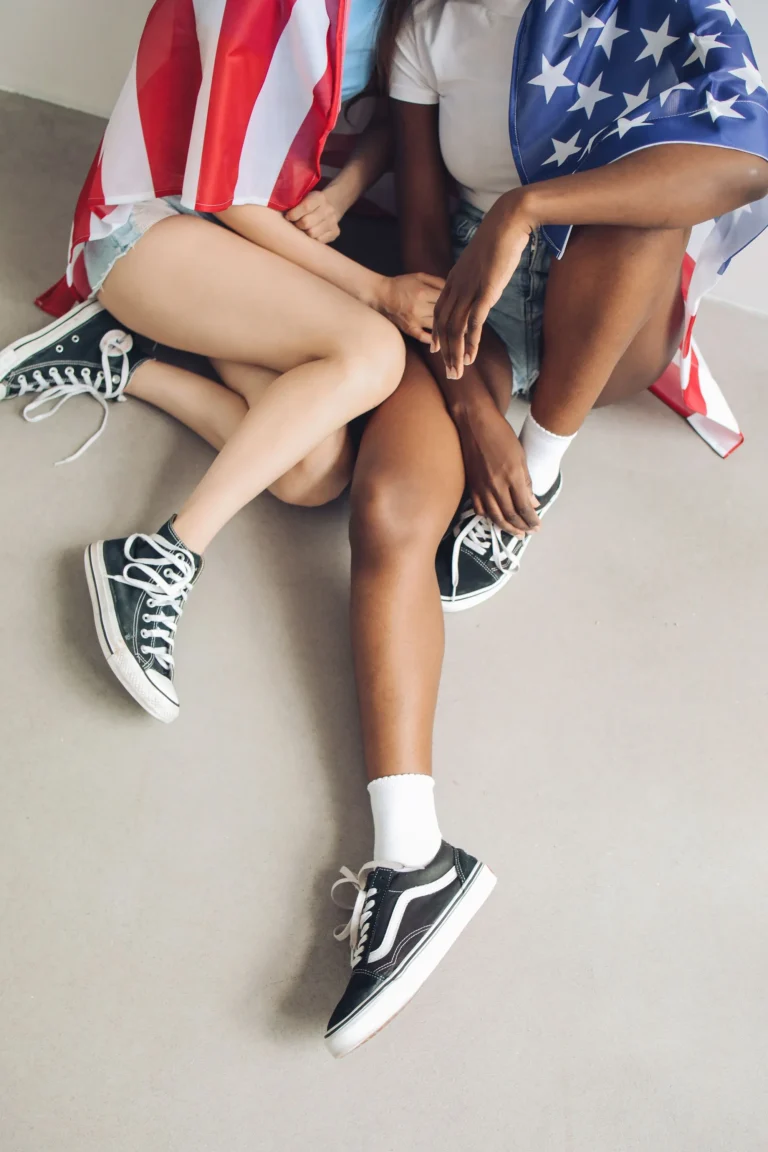
That scene, or some version of it, is playing out in more than two dozen U.S. cities right now. Women sneakerheads are building micro-communities from the ground up, turning casual IRL meetups into durable networks that command brand attention, shift local culture, and create the kind of belonging that no Discord server or Reddit thread can replicate. These aren’t corporate activations. They aren’t influencer photo ops. They’re organic, self-organized, and growing fast—and they represent a structural shift in how women participate in and shape sneaker culture.
Why Women’s Sneaker Meetups Matter Right Now
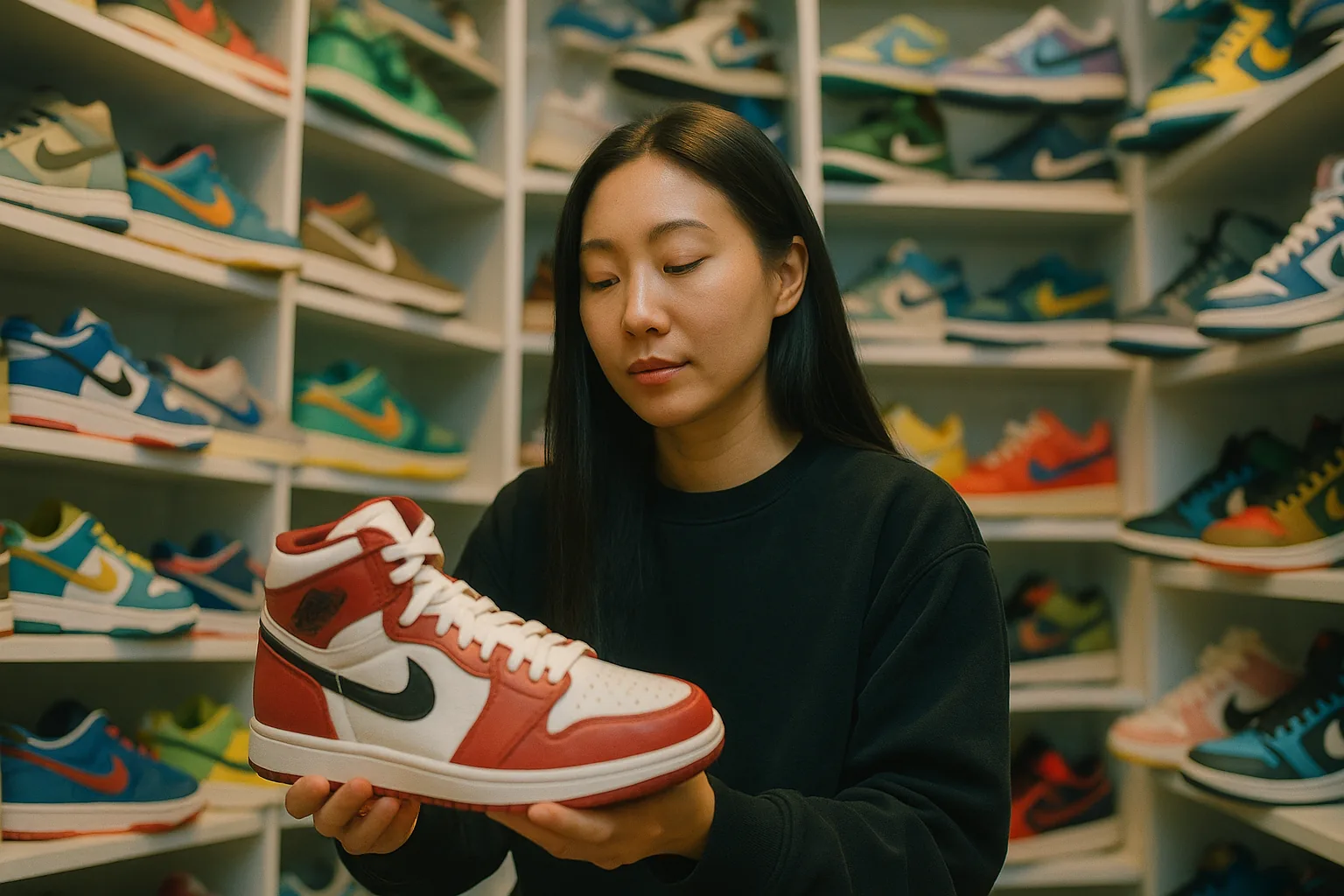
Let’s be honest about the landscape. Women have always been in sneaker culture. eBay’s 2022 Trailblazers Collection made that undeniable when it spotlighted pioneers like Tiffany Beers, the designer behind Nike’s self-lacing HyperAdapt 1.0, and Vashtie Kola, who in 2010 became the first woman to design a Jordan. Charlotte Lee’s record-breaking sneaker collection—over 3,000 pairs—and Sheryl Swoopes’s legacy as the first woman with a signature Nike shoe were part of that same lineage. The history is deep and documented, from Andrea Lieberman’s early influence on sneaker-adjacent luxury to *She Kicks* magazine’s nearly two-decade effort to chronicle women’s participation as serious, cataloged culture rather than a passing trend.
But history alone doesn’t build community. What’s changed is the infrastructure. Over the past three years, women have stopped waiting for brands to create spaces for them and started building their own. The format varies—walk-and-talks in Portland, swap meets in Houston, porch hangs in Detroit, sneaker brunches in Brooklyn—but the underlying model is consistent: small, recurring, hyper-local gatherings that prioritize connection over transaction.
This isn’t a reaction to exclusion, though exclusion is certainly part of the story. It’s a proactive move. Women are tired of showing up to co-ed sneaker conventions and being the only woman in a crowd of three hundred. They’re tired of hearing that “unisex” sizing solves representation when a men’s 6 doesn’t fit the same as a women’s 7.5 and half the exclusive drops never come in their size anyway. The widely shared critique that women “want the same drops men do,” not just pink or mint variants, still echoes through every group chat and comment section. So instead of asking for a seat, they’ve built their own table.
City-Based Groups Turning Hangouts Into Networks
The specifics matter here, because these aren’t abstract movements. They’re real groups with real names, real organizers, and real track records.
In Los Angeles, Femme Sole started as a monthly walk-and-talk in Griffith Park in early 2024. Founder Dani Reyes, a sneaker collector with over two hundred pairs, wanted something low-key—just women walking, talking kicks, and getting fresh air. Within six months, she had a recurring group of forty-plus women and a waitlist. By late 2025, Femme Sole had hosted its first swap event in a rented warehouse in Arts District, moving over 150 pairs in a single afternoon. No resellers. No bots. Just women trading heat face-to-face.
In Chicago, Lace & Grace has been running sneaker brunches since 2023, pairing mimosas with on-feet showcases at rotating restaurants across the South and West sides. Organizer Keisha Monroe deliberately chose neighborhood spots over downtown venues to keep the gatherings rooted in the communities where women actually live. “I didn’t want this to feel like a brand event in a loft,” Monroe has said. “I wanted it to feel like your cousin invited you to breakfast and everyone happened to be wearing fire.” Lace & Grace now has a private group of over 200 members and a reputation that’s caught the attention of regional sneaker boutiques offering the group early access to women’s-exclusive releases.
Atlanta’s Sole Sisters Collective operates differently—less structured, more fluid. Founded by a rotating crew of four women who met at a 2022 SneakerCon, the group communicates primarily through a group chat and convenes for what they call “porch sessions,” informal hangouts at members’ homes where the agenda is simply showing up, showing off recent pickups, and talking. There’s no formal membership. No dues. No logo. But when New Balance was seeding its 1906R “Sea Salt” women’s colorway in the Southeast in 2025, it was Sole Sisters members who showed up in brand conversations because their collective social reach across Atlanta’s sneaker-adjacent creative scene was impossible to ignore.
How Swaps and Walk-and-Talks Build Real Trust
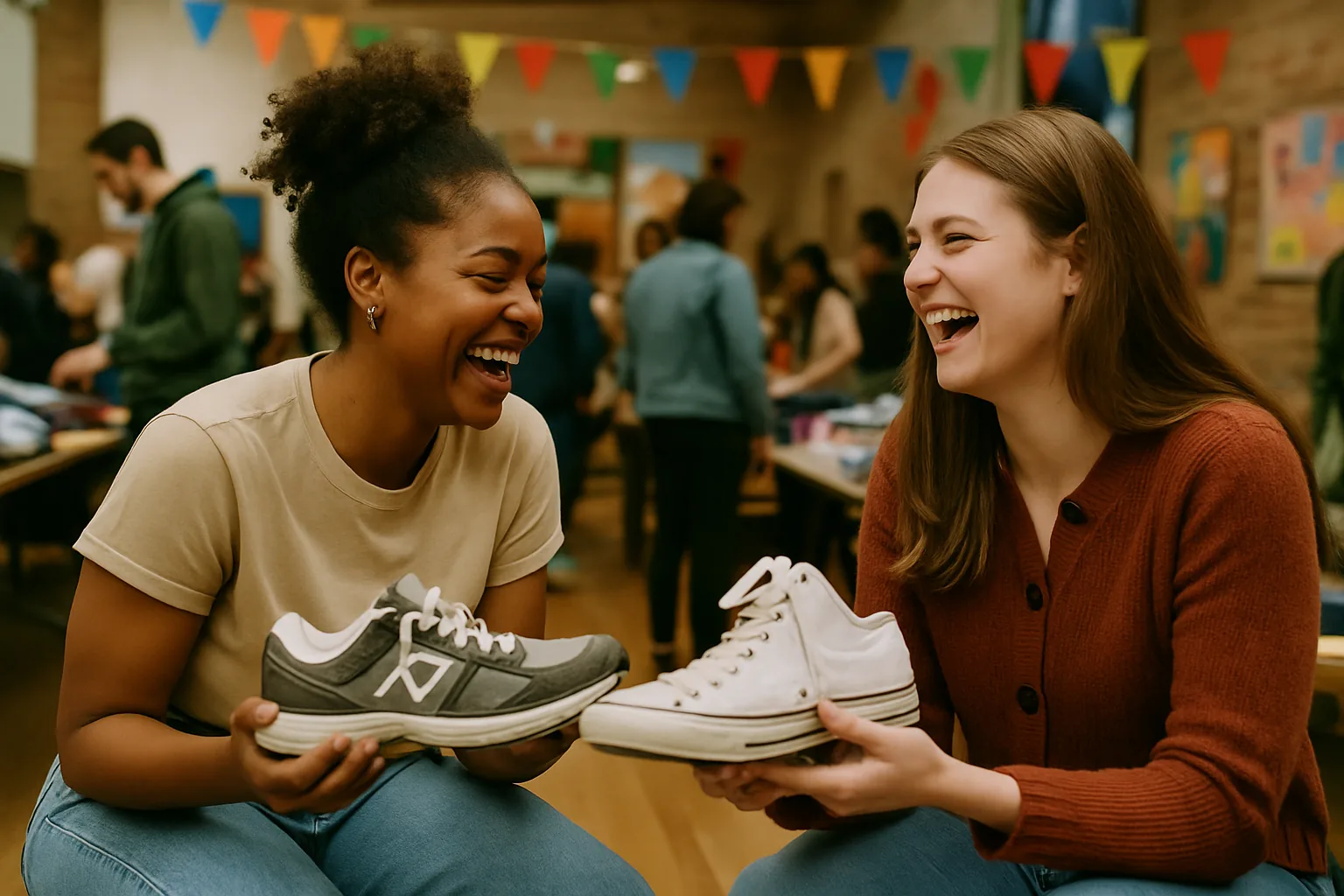
There’s a reason these communities are coalescing around physical formats rather than purely digital ones. Trust is the currency, and trust is built differently in person.
Sneaker swaps, in particular, have become a cornerstone format. Unlike resale, which is transactional and often anonymous, a swap requires vulnerability. You’re handing someone a pair you love in exchange for a pair they love. You’re negotiating condition, fit, and sentimental value in real time. You’re looking someone in the eye. For women who’ve been burned by fake listings, ghosted by sellers, or priced out of the resale market, the swap is a radical alternative. It’s commerce without the predatory markup.
Walk-and-talks serve a different but equally important function. They’re low-barrier entry points. You don’t need a collection of fifty pairs to join a walk—you just need one pair on your feet and a willingness to show up. Groups in Portland, Denver, and Philadelphia have adopted the walk-and-talk as their primary onboarding format, using weekend morning walks in public parks as a way to bring in newcomers without the intimidation factor of a convention floor or the social pressure of a curated Instagram feed.
What both formats share is intentional intimacy. These aren’t events scaled for hundreds. They’re gatherings designed for twenty, thirty, maybe fifty women at most. The smallness is the point. It allows for the kind of conversation that doesn’t happen on a panel stage or in a comments section—conversations about sizing frustrations, about being underestimated at sneaker stores, about the specific joy of finding a deadstock pair of the 2019 Air Jordan 1 “Satin Black Toe” in your size after three years of searching. That granularity, that specificity, is what turns a casual hangout into a community.
Voices From the Women Building These Spaces
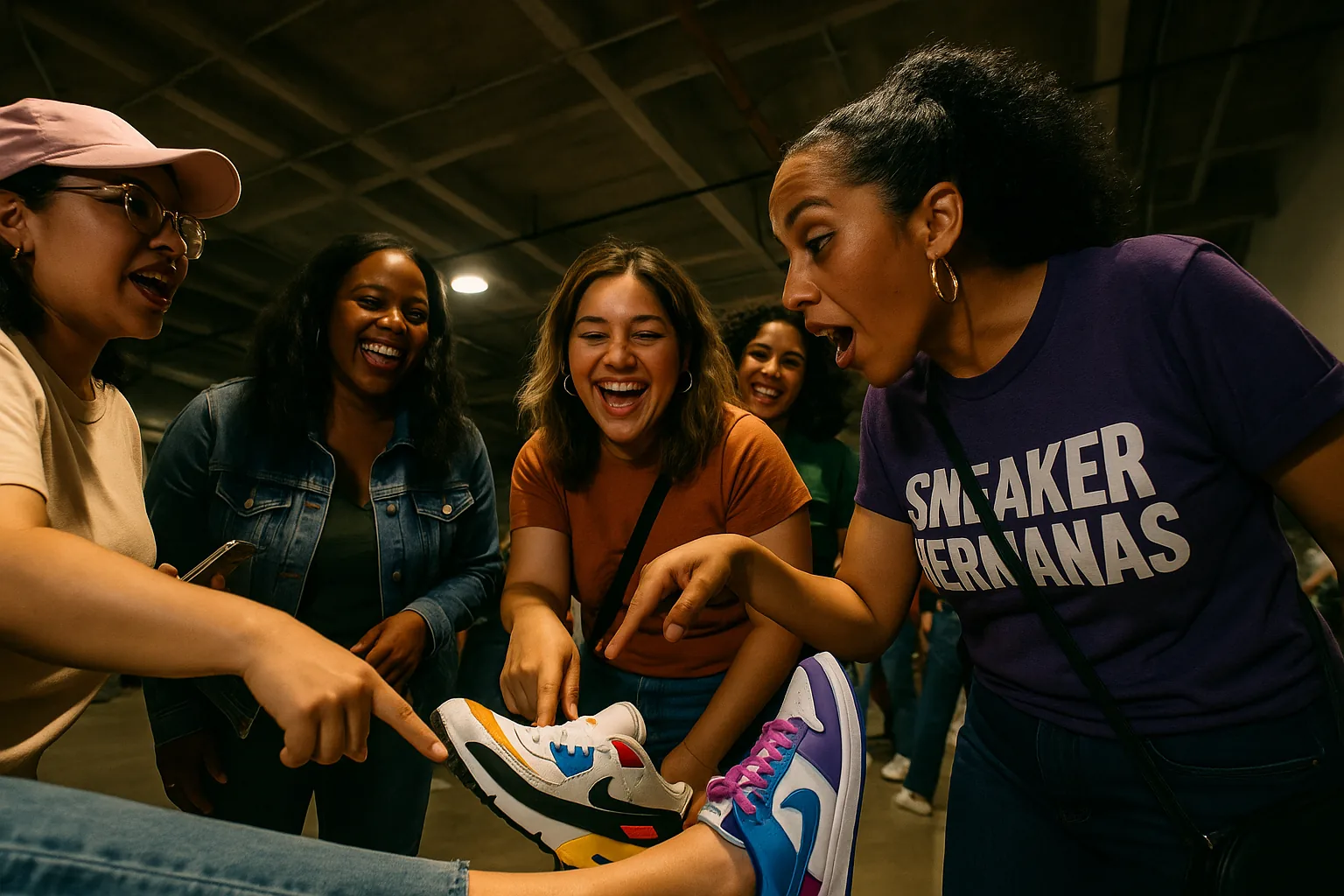
The women leading these groups aren’t doing it for clout. Most of them will tell you they started because they were lonely in their obsession.
“I knew hundreds of women online who were into sneakers, but I didn’t know a single one in my city,” said Tasha Vega, who co-founded Houston’s Sneaker Hermanas in 2024. The group, which centers Latina and bilingual sneakerheads in Houston’s East End, now hosts quarterly swap meets and has partnered with local sneaker boutique Premium Goods for women’s sizing workshops. “The first time we met up, it was just six of us at a taqueria. We talked for four hours. Nobody wanted to leave. That’s when I knew this was something.”
Mika Osei, a collector and freelance stylist in Detroit, launched Kickback Detroit as a response to what she called “the loneliest hobby I’ve ever had.” Her group does monthly porch sessions in warmer months and gallery meetups in winter, always anchored by an on-feet theme—last fall’s “Only Dunks” session drew thirty-eight women. “I’m not building a brand,” Osei has emphasized. “I’m building a neighborhood. The sneakers are just the door.”
In New York, the collective Sole Women NYC has taken a more structured approach, with a Notion-based membership directory, quarterly programming, and deliberate outreach to women working in sneaker-adjacent industries—stylists, photographers, retail buyers, designers. Co-founder Nia Kwame sees the group as a professional network as much as a social one. “We’ve had members get hired because of connections made at our events,” Kwame has noted. “We’ve had members get their designs in front of brand teams because someone in the group knew someone. That’s real power. That’s not a hangout—that’s infrastructure.”
When Brands Start Paying Attention to Micro-Communities
The brand angle here is complicated, and the women running these groups know it.
On one hand, brand relationships have been a tangible benefit of community-building. When Jacquemus released the Women’s Moon Shoe SP in March 2026, seeding and early-access strategies leaned heavily on micro-community leaders rather than traditional macro-influencers. Teyana Taylor’s Women’s Air Jordan 3 “Concrete Rose” launch the same month similarly prioritized grassroots channels, getting pairs into the hands of women who’d been organizing locally rather than simply mailing boxes to the same ten accounts with a million followers each.
This is a meaningful shift. For years, women’s-exclusive releases were afterthoughts—smaller production runs, limited size ranges, colorways that felt like they’d been chosen by someone who’d never met a woman sneakerhead. The fact that brands are now not just making women’s-exclusive product but actively seeking out women-led communities to distribute it through represents a change in how the industry values women’s cultural labor.
But there’s tension. Several group organizers I’ve spoken with are wary of co-optation. “The minute a brand sends you free product, the dynamic changes,” said Reyes of Femme Sole. “Your members start wondering if you’re curating for them or for Nike. I’ve turned down partnerships because the terms didn’t respect what we’ve built.” Monroe of Lace & Grace echoed the sentiment: “I’ll work with a brand if they come correct—if they offer something tangible to my members, not just to me. But I won’t let anyone turn my brunch into a commercial.”
The groups navigating this best tend to share a few characteristics: they’re transparent with their members about brand relationships, they negotiate collectively rather than individually, and they maintain programming that’s entirely independent of any sponsor. Sole Women NYC, for example, has a written policy that no more than one event per quarter can involve a brand partner, ensuring that the majority of their gatherings remain purely community-driven.
Sizing, Access, and the Gaps That Still Fuel Frustration
It’s impossible to talk about women’s sneaker communities without talking about the structural barriers that make them necessary.
Sizing remains the most persistent frustration. Despite years of vocal advocacy, too many hyped releases still don’t extend into full women’s sizing. A women’s 11 or 12 is still treated as an anomaly rather than a standard offering. “Unisex” sizing, while better than nothing, often means the shoe was designed around a men’s last and simply relabeled—the fit isn’t the same, the proportions aren’t the same, and women with wider forefeet or narrower heels know the difference immediately.
Access is the other fault line. SNKRS draws, raffle systems, and limited-run releases continue to disadvantage women who don’t have the time, the bot infrastructure, or the resale budget to compete for pairs. The women in these micro-communities have responded by pooling resources—sharing raffle links, coordinating entries across multiple accounts, and using swaps to redistribute pairs more equitably within their networks. It’s a workaround, not a solution, but it’s effective. And it’s another reason these communities stick: they solve problems that the industry has refused to address.
The historical record makes this frustration sharper. When eBay’s Trailblazers Collection highlighted Stella McCartney’s sustainable design work with Adidas or Swoopes’s trailblazing Nike Air Swoopes line in 1996, it reinforced that women haven’t just been present in sneaker culture—they’ve been innovating within it for decades. The gap isn’t in women’s interest or expertise. It’s in the industry’s willingness to serve them fully.
What Micro-Communities Mean for the Future of Women’s Sneaker Culture
Here’s what I think is really happening, and it’s bigger than sneakers.
These micro-communities are building a parallel infrastructure. They’re creating distribution channels that brands now have to negotiate with rather than dictate to. They’re establishing social networks that function as professional pipelines, creative incubators, and mutual aid systems. They’re documenting women’s sneaker culture in real time—through group photos, through zines, through oral histories shared on porches and park benches—in ways that future historians will draw on the same way we now draw on early hip-hop photography or zine culture from the ’90s.
The durability question is real. Not every group that starts with six women at a taqueria will survive its second year. Organizer burnout is a constant threat when labor is unpaid and the logistics of booking venues, managing group dynamics, and fielding brand inquiries fall on one or two people. Some groups will fold. Some will merge. Some will professionalize in ways that change their character.
But the model is proven. When Sneaker Hermanas hosts a swap in Houston, when Kickback Detroit fills a porch on a Saturday, when Sole Women NYC connects a young designer with a Jordan Brand contact at a gallery meetup, they’re demonstrating that women’s sneaker culture doesn’t need permission or validation from legacy institutions to thrive. It just needs space, consistency, and women who care enough to keep showing up.
The most significant thing about these communities isn’t their size. It’s their specificity. They’re not trying to be everything to everyone. They’re trying to be exactly the right thing for the women in their city, on their block, in their group chat. That precision is what makes them resilient. A national movement can be co-opted or commodified. A local community built on personal relationships and shared taste is much harder to replicate—or to replace.
The Rally Cry: Show Up, Build Yours, Keep Going
So here’s the ask, and it’s simple.
If you’re in a city with one of these groups, find them. Show up to the next walk, the next brunch, the next swap. Wear your beaters or your grails—it doesn’t matter. What matters is that you’re there, in person, adding your voice and your pairs to a community that exists because someone decided she was tired of being the only woman in the room who cared about foam midsoles and patent leather.
And if your city doesn’t have a group? Start one. It doesn’t require a business plan or a brand deal or a following. It requires a group chat, a date, and a location. Tasha Vega started with six women and a taqueria. Dani Reyes started with a trail in Griffith Park. Mika Osei started with her own porch.
Women’s sneaker culture has never lacked passion, knowledge, or taste. What it’s lacked is connective tissue—the local, physical, recurring spaces where passion becomes community and community becomes power. That’s what these groups are building. Not content. Not clout. Infrastructure.
The next time a brand wants to know where the culture is, the answer won’t be an algorithm or a trending hashtag. It’ll be a park bench in Portland, a brunch table in Chicago, a porch in Detroit. It’ll be women who’ve been showing up for each other long before anyone with a marketing budget noticed.
That’s not a moment. That’s a movement. And it belongs to every woman who’s ever laced up and looked for her people.